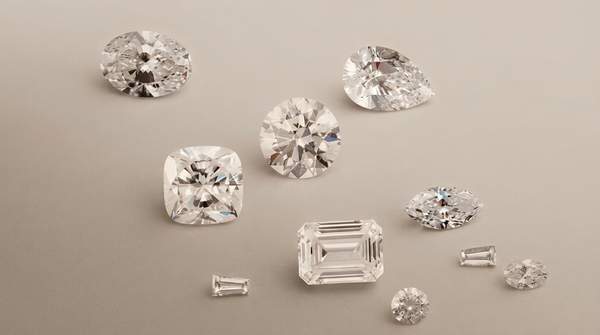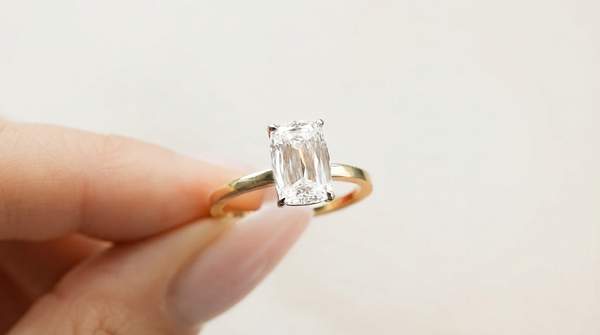
When a cutter picks up a piece of rough, they face a decision that shapes everything a buyer will eventually pay for: keep the weight, or keep the light. Most cutting flaws are not accidents. As the gemstone guide from Sosna Gems puts it bluntly, "Most cutting mistakes are deliberate decisions made to preserve weight instead of beauty." The result is that a smaller stone cut to precision standards can be worth more than a larger stone carved from identical rough, because a gem's value depends on how effectively its rarity is made visible, and cut is the mechanism that does exactly that.
The Art and Science of Gemstone Cutting: Beyond Carat Weight
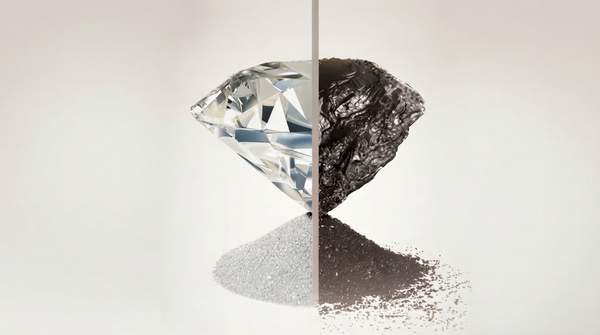
Cutting is where a gemstone's potential becomes reality. A fine crystal in its natural state holds promise, but only cutting realizes it, which is why trade writers describe cut as an economic factor as much as an aesthetic one. The Natural Gemstone Company ranks cut among the most critical factors affecting a gemstone's overall appearance and value, noting that a well-executed cut enhances natural beauty, brilliance, and color.
The economic logic is simple and unforgiving: cutting involves loss. Every facet ground away is carat weight that can never be sold. That creates constant pressure to leave material on the stone, and it explains why so many gems on the market carry proportions chosen for the scale rather than for the eye. John Dyer, an award-winning gem cutter whose company publishes educational material on cutting, observes that even many professional gem buyers do not realize how much a gem's cut influences what it is really worth.
Optical Principles: How Light Transforms a Rough Stone
The physics behind a beautiful cut is not mysterious, and it is not a matter of taste. Antony Zagoritis, a GIA Graduate Gemologist who has written on faceting for the gemstone trade, explains the underlying mechanism: light passing through a gem and striking a polished facet will reflect back into the stone only if the facet meets it at more than a certain minimum angle, called the critical angle.
That minimum angle is different for every gem material because it depends on the refractive index (RI) of the stone, and every species has its own RI. A cutter must therefore adjust each facet's angle to the specific material at hand, not to a universal template. Angles chosen correctly maximize the brilliance and reflection the gemstone is capable of; angles chosen to save weight let light leak out instead of returning to the viewer's eye. This is the technical root of the weight-versus-beauty trade-off: the angles that preserve the most material are rarely the angles that produce the most light.