Why Creative Vision Fuels Quiet Luxury Accessory Demand

Matthieu Blazy's debut collection for Chanel unveiled sculptural lady heels, delicate Camellia brooches, and petite bowling bags that vanished from shelves almost instantly.

CR
Camille Rousseau

June 22, 2026 · 3 min read

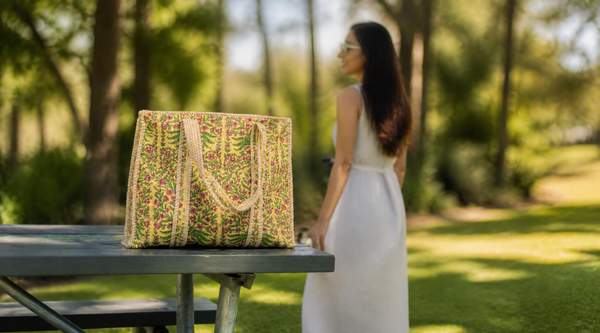
An elegant, minimalist handbag displayed prominently in a luxury boutique, symbolizing the allure of quiet luxury accessories.

Matthieu Blazy's debut collection for Chanel unveiled sculptural lady heels, delicate Camellia brooches, and petite bowling bags that vanished from shelves almost instantly. This rapid sell-out ignited 'Blazy Mania' among luxury consumers, a clear signal of fervent appetite for his fresh interpretations.

A curious tension grips the luxury market: consumers yearn for timeless elegance, yet their most decisive purchases gravitate towards dramatically reimagined iconic accessories. This dynamic clash between brand heritage and immediate market desire defines quiet luxury accessories in 2026.

Luxury houses that empower visionary creative direction, breathing new life into their core offerings, are poised to command the accessory market. Those that cling to static tradition risk fading into irrelevance.

The 'Blazy Effect' and Beyond: How Creative Vision Drives Demand

Jodi Kahn, a representative for Saks Fifth Avenue and Neiman Marcus, noted the 'Blazy effect' ignited significant demand and fresh excitement for Chanel's iconic codes, ELLE reported. This surge wasn't for untouched classics, but for Blazy's sculptural, petite reinterpretations of established designs. A singular creative vision, it seems, can infuse a brand's most recognizable elements with potent new life and desirability, directly fueling market demand.

The yearning for 'iconic codes' transcends mere preservation. It is a desire to experience these symbols through a contemporary, often unexpected, lens. This compels brands to ceaselessly innovate their core identity, rather than resting on past laurels, particularly within the quiet luxury accessories segment.

Reimagining Icons: Why Consumers Crave Freshness

Consumers actively embrace fresh, imaginative interpretations of cherished accessories. Pierpaolo Piccioli's reimagining of Balenciaga's City bag, for instance, drew considerable attention, ELLE noted. These contemporary updates, far from mere replicas, seize attention and propel purchasing. Modern luxury buyers, it is clear, seek innovation and a contemporary narrative woven into classic designs, valuing imagination above faithful reproduction.
The quiet luxury accessories market of 2026 thrives on this vibrant tension. Buyers seek the comforting embrace of established brand identity, yet crave the thrill of avant-garde design. This profound preference for transformative design marks a fundamental shift in how brand legacy is understood and consumed.

The Future of Luxury: Innovation as the New Heritage

Luxury brands that empower creative directors to boldly reimagine iconic accessories are achieving unprecedented market success.

The 'Blazy Mania' phenomenon reveals that consumer desire for luxury transcends mere acquisition of timeless pieces; it is an urge to experience a brand's heritage through a dramatically fresh, often surprising lens, sparking impulsive, rapid purchasing. Creative directors, in this new paradigm, are not merely guardians of brand codes but alchemists, actively transforming them. The most potent way to leverage brand legacy in modern luxury is through imaginative deconstruction and reconstruction, not faithful reproduction. The immediate sell-out of these reimagined iconic accessories confirms that modern luxury consumers actively seek a vibrant tension between established identity and cutting-edge design, rejecting a static definition of 'timelessness'.

This undeniable triumph of creative reinterpretations means continuous design innovation now stands as critical as brand heritage itself for maintaining relevance and fueling sales. Brands must strategically recalibrate their quiet luxury accessories consumer behavior strategies to meet this profound shift.

By Q3 2026, brands like Chanel, through visionary creative directors such as Matthieu Blazy, will likely continue to command strong demand for their reimagined iconic accessories, cementing bold design reinvention as a foundational brand strategy.