What are the best accessory design and production techniques for quality?

A handbag costing $500 might use a heat-stamped logo that peels off in months, while a $150 wallet features hand-stitched edges designed to last decades.

OD
Oliver Dane

May 13, 2026 · 4 min read

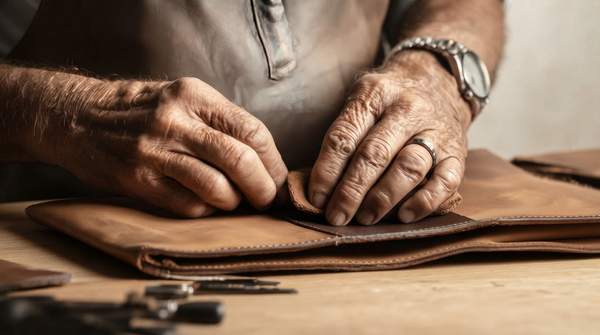
Artisan's hands performing detailed hand-stitching on a high-quality leather wallet, showcasing superior craftsmanship and durability.

A handbag costing $500 might use a heat-stamped logo that peels off in months, while a $150 wallet features hand-stitched edges designed to last decades. This disparity reveals a disconnect between perceived value and actual durability. Many consumers believe a high price guarantees quality, but often the most expensive items cut corners on critical design and production techniques. Buyers frequently pay premium prices for items using the same cost-cutting, machine-driven methods found in budget lines, making their functional longevity indistinguishable despite significant price differences.

Understanding specific craftsmanship details is essential to avoid overpaying for disposable fashion and instead invest in durable pieces. The global accessory market, projected to reach $700 billion by 2027 (Market Research Insights), is significantly driven by fast-fashion trends. The average lifespan of a fast-fashion handbag is less than one year, contributing to textile waste (EPA Waste Report 2022). Price alone proves an unreliable indicator of an accessory's true quality and durability.

Beyond the Label: Defining True Quality

Full-grain leather sets a benchmark for durability and its ability to develop a rich patina, distinguishing it from corrected-grain or bonded leather (Leather Institute). True quality extends beyond the primary material. Hand-rolled edges on silk scarves prevent fraying and provide a luxurious drape, a technique often skipped in machine-finished pieces (Textile Arts Journal). Solid brass hardware, not plated alloys, resists tarnishing and breakage over time (Metallurgy Review). Lock stitching, where each stitch is individually secured, offers superior strength to chain stitching for load-bearing seams in bags (Sewing & Craft Monthly). These tangible, observable characteristics of materials and craftsmanship directly impact an item's longevity and aesthetic integrity, making them the true markers of an accessory's investment value.

The Craft Behind Durability: Production Techniques That Matter

Vegetable tanning for leather, though slower and more expensive, results in a more durable and environmentally friendly product than chrome tanning (Environmental Leather Council). This meticulous approach extends to finishing details. Hand-burnished edges on leather goods involve multiple sanding and polishing steps, sealing fibers and preventing wear (Artisan Leathercraft Guild). Precision cutting using laser or die-cut methods ensures consistent component shapes, crucial for perfect assembly (Manufacturing Today). Reinforcement at stress points, such as handle attachments with internal webbing or rivets, significantly extends an accessory's lifespan (Product Durability Standards). Custom-milled zippers from brands like Riri or YKK Excella are chosen for their smooth action and longevity over generic alternatives (Fashion Accessory Review). These often-invisible, labor-intensive processes deliver the long-term value that justifies higher costs.
The Real Cost of Cheap Accessories

Repairing a poorly constructed accessory often costs more than its original purchase price, making replacement the only viable option (Consumer Reports). This financial reality makes choosing low-quality items a false economy. Brands using high-quality techniques often offer extended warranties or repair services, signaling confidence in their product's longevity. Investing in durable accessories reduces overall spending by eliminating the need for frequent replacements (Personal Finance Quarterly). Choosing quality accessories is not just about luxury, but about environmental responsibility, as disposable items contribute significantly to waste and resource depletion.

Common Myths and Misconceptions

How is jewelry designed and manufactured?

Jewelry design and manufacturing often involve advanced techniques distinct from general accessories. Designers frequently utilize Computer-Aided Design (CAD) software to create precise 3D models before production. Manufacturing typically includes casting, where molten metal is poured into molds, followed by intricate processes like stone setting, polishing, and finishing. Research also explores optimizing eco-friendly jewelry design through integrated eco-innovation approaches using artificial neural networks (Nature).

What are the best materials for accessory production?

Beyond full-grain leather and solid brass, optimal accessory materials include robust lining fabrics like pigskin or canvas for interior durability, and specific threads such as bonded nylon or polyester for strong, rot-resistant seams. The quality of internal components, such as stiffeners and interlinings, also significantly impacts the accessory's structure and longevity. Sourcing materials ethically and transparently contributes to the overall value and sustainability of the final product.

Is a higher price always indicative of superior accessory quality?

A higher price is not always indicative of superior accessory quality. Marketing terms like "genuine leather" often refer to lower-quality corrected-grain or bonded leather (Leather Industry Glossary). Many luxury brands outsource production to factories that also produce fast-fashion items, leading to inconsistent quality despite high prices. The presence of a brand logo is primarily a marketing tool and does not guarantee superior craftsmanship. Consumers must look beyond marketing jargon and brand prestige to truly assess an accessory's value and durability.

Making Informed Choices: Your Guide to Lasting Style

Consumers are systematically misled by luxury branding that promises enduring quality but often delivers fast-fashion fragility at premium prices. This necessitates a re-evaluation of how 'value' is perceived in the accessory market. A growing