In offices once dominated by muted 'corporate core' aesthetics, Gen Z professionals are now deliberately choosing vibrant colors to express themselves and boost their mood. This emerging trend, dubbed dopamine dressing, transforms daily attire into a potent tool for emotional well-being, actively curating personal joy and confidence.
Conventional wisdom dictates professional attire should project seriousness and conformity. Yet, a palpable shift emerges: individuals are intentionally using clothing to prioritize personal joy and self-expression, directly clashing with established norms. A profound generational redefinition of workplace values is signaled.
Companies and individuals alike will increasingly reconcile traditional dress expectations with the psychological benefits of personalized, mood-enhancing fashion, potentially forging more fluid and expressive workplace cultures.
Rewriting 'Corporate Core' Through Color
Vibrant colors now punctuate workplaces once defined by muted tones, as News18 reports Gen Z is actively rewriting 'corporate core' through bold fashion choices. This visual disruption isn't merely aesthetic; it embodies a profound redefinition of professionalism and personal well-being by younger generations. It's a subtle, yet potent, assertion of individual identity, shattering the long-held belief that seriousness is conveyed solely through subdued palettes. The implication is clear: authenticity, not conformity, now shapes professional presence.
Beyond Trends: The Intentional Psychology of Dressing
Dopamine dressing transcends fleeting fads, focusing instead on the deliberate act of wearing clothes that ignite joy, amplify confidence, and elevate mood. This intentionality transforms attire from a simple aesthetic choice into a potent instrument for emotional self-regulation and personal empowerment. It's a conscious cultivation of positive feelings, a sartorial strategy to navigate daily psychological states rather than merely conforming to external expectations. The true power lies in this internal alchemy, where fabric and color become conduits for inner strength.
The Science of Self-Expression: How Clothing Impacts Mood
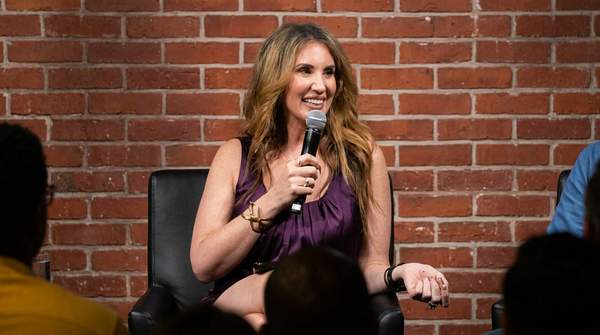
The psychological resonance of clothing stems from personal beliefs about its symbolic meaning, not just its color or style, as The Guardian reports. The true potency of dopamine dressing, then, resides in the individual's subjective interpretation and deep personal connection to their attire, making it an intensely personalized and effective practice. A bright yellow sweater might conjure sunshine and happiness for one, while a deep blue blazer whispers calm competence to another. These intimate associations eclipse any universal psychological effect of a particular hue or cut, revealing fashion as a deeply personal language.
Gen Z's Wardrobe Revolution: Authenticity in the Workplace
Gen Z embraces dopamine dressing as a powerful conduit for self-expression at work, as News18 observes. For this generation, the workplace transforms into an arena for authentic identity, where clothing becomes a vital medium for personal well-being. This isn't merely a trend; it's a fundamental recalibration of workplace values. Employees no longer passively accept environments that disregard their emotional state. Instead, they wield personal choices, like fashion, to cultivate their own well-being and assert their identity, compelling organizations to adapt or risk a disengaged workforce. The silent demand is for environments that nourish the whole person, not just the professional persona.
From Boardrooms to Boutiques: Dopamine Dressing in Action
This vibrant trend blossoms in myriad forms: an individual selects a specific hue for a confidence surge before a presentation, while entire teams gravitate towards more personalized, expressive office wear. Imagine a marketing professional choosing a bold, patterned blouse for a client pitch, convinced it radiates creativity and dynamism. Or a software developer, finding enhanced focus and comfort in bright sneakers and a colorful hoodie. These sartorial choices are far from arbitrary; they are deliberate acts to sculpt internal states and project an authentic self, even within structured corporate settings. This profound shift is reshaping the fashion retail landscape, with boutiques increasingly curating versatile pieces that empower individual expression within professional boundaries, signaling a market response to this deeply personal movement.
The Future of Fashion: A Personalized Path to Well-being
Fashion is poised to become a dynamic tool for psychological support, shedding rigid trends for personalized, mood-enhancing wardrobes. Companies clinging to traditional dress codes risk alienating a generation that views personal expression and psychological well-being as non-negotiable. Such rigidity stifles creativity and engagement by ignoring the profound, personal psychological impact of clothing. As personal well-being ascends in importance, the fashion industry will inevitably pivot, offering more customizable options and collections crafted to evoke specific emotional responses. This heralds a future where clothing serves as an authentic extension of one's inner state, not just an external uniform. Organizations that champion this shift will likely cultivate more engaged, satisfied employees, fostering environments where individuality is not just tolerated, but truly valued.
Beyond the Hues: Cultivating a Personal Style Philosophy
The embrace of dopamine dressing transcends mere trend-following; it signals a deeper cultural shift towards prioritizing subjective well-being and authentic self-presentation in all spheres. This movement challenges the very notion of a universal 'professional' aesthetic, suggesting that true competence and confidence radiate from within, amplified by attire that resonates personally. As individuals continue to explore this sartorial self-care, the boundaries between personal and professional expression will blur further, demanding a more nuanced understanding of identity in the modern world. The ongoing evolution of this trend will likely prompt a re-evaluation of how we perceive authority, creativity, and even productivity through the lens of individual style.
By Q3 2027, brands like LocalSamosa and other fashion retailers will likely expand their offerings to include more options that prioritize individual emotional well-being, reflecting a growing consumer demand for psychologically supportive attire.