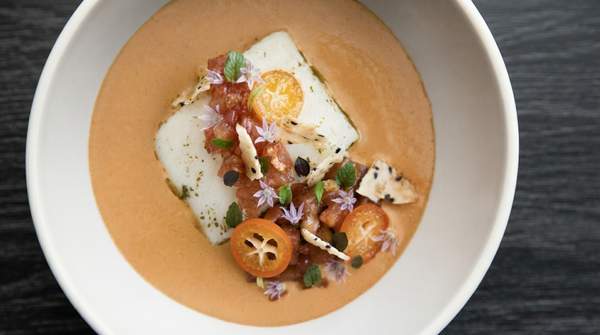
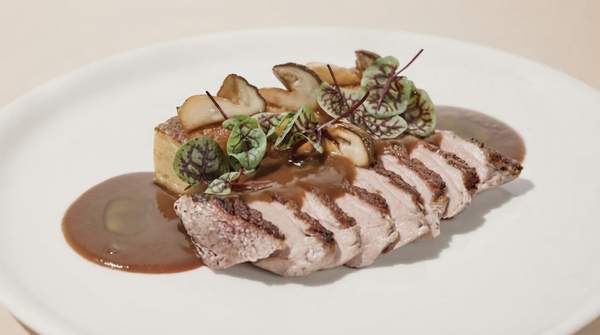
For 2026, Viet Nam claims the world's most attractive culinary destination title, according to a new global ranking from Nhan Dan Online. This marks a profound shift, moving beyond traditional gastronomic hubs to embrace diverse national flavors. While many assume established European cities dominate food rankings, this 2026 top spot was decided by local votes. The ranking cites Viet Nam as a country, yet also lists 'the 10 best cities in the world for food,' as reported by Quartz. National culinary identity, shaped by widespread local experiences, now outweighs individual urban scenes. The future of culinary tourism appears decentralized, driven by authentic local experiences, poised to reshape global travel.
The World's Top 10 Culinary Cities for 2026
1. Ho Chi Minh City
Best for: Authentic Vietnamese flavors and innovative fine-dining pho.
Ho Chi Minh City, representing Viet Nam's top spot, earns recognition for its fine-dining pho. Its prominence challenges the long-held dominance of Western culinary capitals, democratizing gastronomic authority.
Strengths: Authentic local cuisine, strong street food culture, innovative culinary scene | Limitations: Can be overwhelming for first-time visitors, language barrier | Price: Affordable to moderate
2. Lima
Best for: Adventurous foodies eager for daring culinary reinventions.
Lima stands out for its daring food scene, pushing gastronomic boundaries with fusion cuisine and innovative chefs. A global hunger for culinary experimentation, moving beyond traditional comfort zones, is suggested by its high ranking.
Strengths: World-renowned fine dining, unique Amazonian and Andean influences, vibrant food markets | Limitations: Higher cost for top restaurants, can require reservations far in advance | Price: Moderate to high
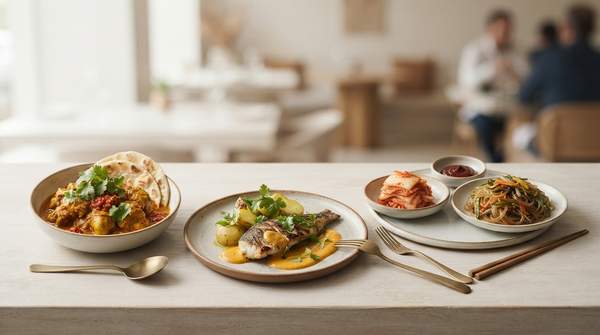
3. Mexico City
Best for: Explorers of diverse culinary landscapes, from street food to experimental restaurants.
Mexico City, a world capital of culinary exploration, offers a rich tapestry of markets, street vendors, and experimental restaurants, according to Cruiseamerica. Its dynamic scene proves that culinary depth thrives where tradition meets innovation across all dining tiers.
Strengths: Incredibly diverse food options, rich cultural heritage, vibrant street food scene | Limitations: Can be very large and spread out, food safety concerns for some street vendors | Price: Affordable to moderate
4. San Francisco
Best for: Melting-pot influences and diverse local specialties like dim sum and seafood.
San Francisco thrives on its local food and melting-pot influences, from dim sum to fresh seafood, rooted in its diverse population and West Coast ingredients. Cultural fusion, not just singular traditions, can define a leading food destination, as demonstrated by its success.
Strengths: High-quality local ingredients, diverse ethnic cuisines, innovative dining trends | Limitations: High cost of living affects restaurant prices, traffic and parking can be difficult | Price: Moderate to high
5. New Orleans
Best for: Iconic Creole and Cajun flavors and unique regional dishes.
New Orleans celebrates its iconic Creole and Cajun flavors, a distinct culinary experience born from rich cultural history and a blend of European, African, and Caribbean influences. The enduring power of deeply rooted regional cuisines to captivate global palates is highlighted.
Strengths: Unique regional cuisine, strong cocktail culture, lively dining atmosphere | Limitations: Limited diversity beyond Creole/Cajun, can be tourist-heavy in certain areas | Price: Moderate
Why Food Now Drives Global Travel
| Travel Aspect | Traditional Focus | New Focus (2026) |
|---|---|---|
| Primary Motivator | Landmarks, Culture | Gastronomy, Local Taste |
| Culinary Authority | Expert Critics, Michelin | Local Votes, Community Sentiment |
| Experience Type | Formal Dining | Authentic Street Food, Markets |
| Destination Choice | Established Capitals | Emerging Culinary Hubs |
Food now stands as a primary travel motivator, shaping destinations and experiences, according to Cruiseamerica. This shift from expert-driven accolades to community-led recognition means rankings like these are vital for explorers seeking authentic cultural immersion. Genuine local experiences, not just Michelin stars, define a destination's appeal.
How Locals Are Redefining Culinary Excellence
The 2026 ranking, based on local votes for the world's best food scenes as reported by Quartz, grants unprecedented authority to those who live these culinary cultures daily. This authentic assessment challenges the long-held dominance of Western culinary capitals. With Viet Nam topping the list via local votes (Nhan Dan Online), traditional authorities lose their grip. Destinations must now cultivate community-driven food experiences, not just high-end gastronomy. Empowering local voices will increasingly capture the global tourism market.
Your Next Culinary Adventure Awaits
As food becomes a primary travel motivator, destinations prioritizing community-driven gastronomic experiences will likely see a sustained increase in tourism by 2027, drawing travelers seeking immersive, genuine encounters beyond conventional luxury dining.
Frequently Asked Questions About Culinary Travel
What defines an authentic culinary experience?
An authentic culinary experience involves direct interaction with local producers, traditional cooking methods, and community dining settings. It often means exploring local markets, participating in cooking classes, or dining at family-run establishments that showcase centuries-old recipes and local ingredients.
How do local votes impact global culinary rankings?
Local votes democratize global culinary rankings by shifting authority from traditional critics to the residents who intimately know their food scenes. This methodology highlights hidden gems and popular local eateries, influencing travelers to explore beyond established, often high-end, gastronomic institutions.
Are traditional culinary capitals still relevant?
While their influence is waning in some rankings, cities like Paris or Rome still attract visitors seeking classic, established gastronomic experiences. However, they now compete with a broader range of destinations that prioritize authentic, community-driven culinary offerings, indicating a diversification rather than a complete displacement of interest.