At Sublimotion in Ibiza, a single meal can cost $2,000, transforming dinner into an immersive, multi-sensory spectacle. Such a sum, according to Worldchefs, funds a meticulously crafted theatrical production, where the very act of eating becomes a performance. Here, the focus extends far beyond the plate: visual projections dance across every surface, curated soundscapes envelop diners in a symphony of flavors, and even ambient temperature shifts subtly guide the palate. Every detail is designed to create an all-encompassing experience, demanding significant investment from those seeking not just a meal, but a profound culinary journey that awakens every sense. This extreme price point doesn't merely signify luxury; it heralds a new era where dining is an art form, a meticulously engineered escapade for the senses, setting the stage for the evolving landscape of fine dining.
Culinary experiences are becoming increasingly complex and expensive, but the underlying science proves that even subtle sensory cues can profoundly enhance enjoyment and perception.
Based on the rapid integration of technology and scientific understanding, dining will increasingly become a personalized, immersive performance where the chef is as much an artist and scientist as a cook.
Beyond Taste: Defining Multi-Sensory Dining
Chef Heston Blumenthal pioneered multi-sensory dining with his 'Sound of the Sea' dish, pairing seafood with an iPod playing ocean sounds, according to Worldchefs. This bold move revealed how dining transcends mere taste, leveraging other senses to forge deeply memorable and emotionally resonant culinary experiences. Indeed, such orchestrated sensory inputs can intensify flavors, embed dishes into memory, and even stir profound emotions like nostalgia, as noted by Cordonbleu. Multi-sensory dining, therefore, involves the deliberate orchestration of sight, sound, smell, and touch alongside taste, transforming a meal into a holistic sensory journey.
The Science Behind the Sensation
Recent experiments have revealed that background music significantly alters eating behavior and emotional response, according to a study published in Nature. Specifically, liked music prolonged meal duration, increased selection of healthier items, and enhanced food pleasantness. This research powerfully illustrates how carefully curated sensory inputs, like music, profoundly influence dining behavior and elevate the overall perception of food. Such scientific validation underpins the growing recognition of multi-sensory dining's philosophical basis and importance, now even taught in courses detailing its global influence, as highlighted by Cordonbleu. Based on the 'nature' study's findings that liked music can significantly enhance food pleasantness and even influence healthier choices, restaurants failing to curate their auditory environment are leaving tangible customer satisfaction and potential health benefits on the table.
A Global Phenomenon: From Sky-High Dinners to Cultural Immersion
Dinner in the Sky has arranged over 5,000 events in cities worldwide, hoisting diners high above urban landscapes for a unique vantage point, according to Conasur. Multi-sensory dining's global adaptability is confirmed by its widespread embrace, extending far beyond elite establishments. Moreover, a study investigated multisensory food experiences in four Northern Norwegian food-related tourism businesses, each deeply infused with Sámi cultural elements, as described by PMC. Its seamless integration with diverse cultures and tourism experiences is underscored by these varied instances, proving its versatility. Despite the allure of $2,000 meals at venues like Sublimotion, the proven efficacy of simple, culturally integrated sensory cues, as seen in Sámi tourism experiences and Heston Blumenthal's 'Sound of the Sea,' reveals that true multi-sensory innovation isn't about price or technological flash, but about thoughtful, holistic engagement of the senses.
The Culinary Mavericks Redefining the Plate
Chefs such as Ferran Adrià, Heston Blumenthal, and Massimo Bottura have fundamentally changed how people taste, enjoy, relate to, and experience food, according to Cordonbleu. These pioneering chefs have elevated dining from a simple meal to an art form, fundamentally altering our interaction with food. Their groundbreaking creations showcase how multi-sensory approaches have reshaped culinary arts, moving beyond traditional cooking techniques to weave storytelling, aesthetics, and psychological elements into every dish. This shift positions the chef as a designer of experiences, where the overall sensory impact holds as much weight as the flavor profile itself. The emphasis now lies on crafting a narrative and an emotional connection through diverse sensory inputs.
The Future is Multi-Sensory: Technology's Role
What are the elements of a multi-sensory dining experience?
Multi-sensory dining elements extend beyond taste to include visual projections, curated soundscapes, tactile sensations from dishware, and controlled ambient temperatures. For instance, some experiences might use aromas diffused into the air to complement a dish, or even incorporate haptic feedback at the table to enhance texture perception.
How do restaurants create multi-sensory experiences?
Restaurants create these experiences by collaborating with designers, sound engineers, and even psychologists to orchestrate every detail of the dining environment. This might involve using specific lighting to alter food perception, employing specialized cutlery that changes how food feels, or integrating live performance art to add a theatrical dimension.
What is the future of fine dining experiences?
The future of fine dining experiences is expected to see significant advancements through technologies like augmented reality (AR) and virtual reality (VR), according to Worldchefs. These technologies, combined with robotics, will push the boundaries of culinary arts, allowing for even more immersive and personalized experiences. Companies investing heavily in cutting-edge AR/VR for multi-sensory dining might be missing the point; the 'cordonbleu' course's emphasis on philosophical basis and creative processes, alongside the 'pmc' study's focus on cultural elements, suggests that a deep understanding of human perception and cultural context, not just advanced tech, is the real frontier.
The Art and Science of the Immersive Meal
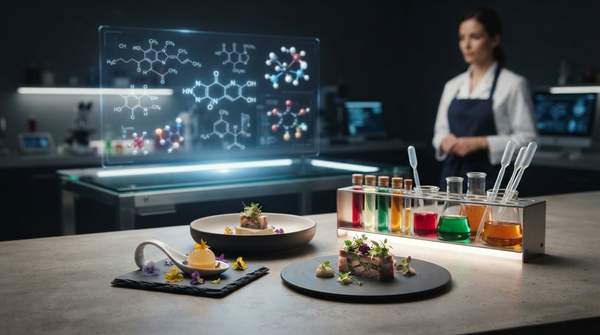
The course explores the creative processes and scientific research behind the success of multi-sensory dining, as well as its future, according to Cordonbleu. A growing academic and professional recognition of the discipline is underscored by this curriculum. The future of dining lies in the thoughtful integration of art, science, and technology to create experiences that engage all human senses, making every meal a journey. This trend suggests that by 2026, many establishments will likely offer more than just food, focusing on complete sensory narratives to captivate diners and justify higher prices.