What Are Modern Culinary Fusion Principles and Techniques?

At the forefront of culinary innovation, the 'melting' technique transforms humble vegetables.

CR
Camille Rousseau

May 6, 2026 · 4 min read

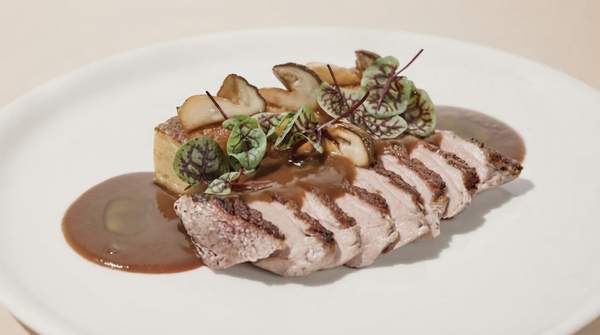
A chef artfully combines diverse global ingredients and techniques, showcasing the essence of modern culinary fusion in a visually striking presentation.

At the forefront of culinary innovation, the 'melting' technique transforms humble vegetables. Searing them until charred, then braising them gently in an aromatic broth, creates an unexpected depth. This multi-stage process, highlighted by chowhound, yields a tender, almost unctuous texture, elevating simple ingredients to a complex sensory experience.

Culinary fusion promises exciting new flavor combinations, a thrilling tapestry for the palate. Yet, without careful execution and a relentless focus on genuine complexity, it risks becoming confusing, even superficial. The allure of blending diverse traditions can too easily overshadow the meticulous technique required for true innovation.

Given the growing emphasis on both visual appeal and sophisticated palates, the future of culinary fusion will likely see a clear distinction emerge. Fleeting, trend-driven dishes will fade, while those achieving enduring significance through masterful technique will persist. This separation will define the lasting impact of modern culinary fusion principles and techniques in 2026.

Beyond Mixing: Defining True Culinary Fusion

Genuine culinary fusion transcends mere ingredient assembly. It demands a deliberate integration of elements, where new flavors and textures emerge cohesively. As PMC notes, without careful execution, the blending of diverse food and drink elements can lead to confusion, not culinary revelation.

This meticulous approach ensures a harmonious experience, not a jumble of conflicting tastes. True fusion respects the soul of each tradition, yet forges a unified identity for the dish. The implication is clear: without this deep understanding and respect, fusion becomes a superficial exercise, failing to unlock the true potential of blended cuisines.

The Pursuit of Complexity: Why Fusion Matters

Enhanced flavor complexity stands as the ultimate prize in successful fusion cuisine. PMC identifies this increased complexity as a highly desirable attribute in food and drink experiences. This means moving far beyond simple combinations, instead developing dishes with multiple, discernible layers of taste and aroma that unfold on the palate.
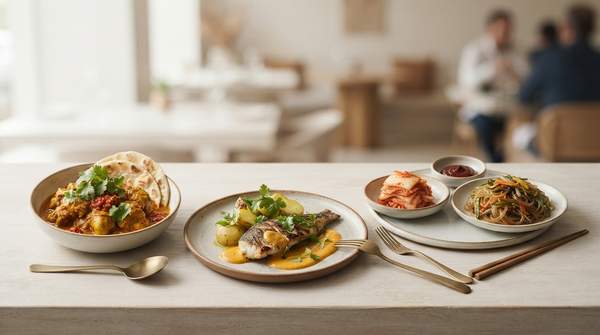
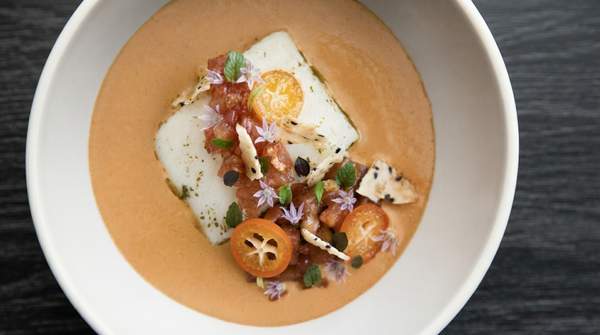
A truly successful fusion dish offers a sophisticated, multi-layered profile. It engages the senses through a progression of tastes, each ingredient contributing to an experience greater than its individual components. The implication is profound: without this depth, fusion risks becoming a mere novelty, failing to truly enrich the culinary landscape.

The 'Gram Factor: Fusion's Popularity Drivers

Many fusion dishes surge in popularity, often driven by their sheer novelty and striking visual appeal. PMC attributes widespread interest in fusion foods partly to their 'Instagrammability'. This visual magnetism allows dishes to circulate widely, capturing immediate attention across social platforms.

Yet, novelty and striking visuals, while powerful drivers of initial engagement, offer no guarantee of lasting culinary success. The very elements that generate buzz can undermine long-term impact if not anchored by genuine complexity and meticulous technique. A dish that dazzles the eye but disappoints the palate inevitably leads to consumer disillusionment, revealing the superficiality of purely visual appeal.

The Stakes of Blending: Why Careful Fusion Elevates Cuisine

Prioritizing 'Instagrammability' over meticulous technique, like the transformative 'melting' method, actively undermines genuine culinary innovation. Such an approach risks creating fleeting trends, not lasting contributions. Chefs must weigh the immediate allure against the enduring satisfaction of their diners.

The culinary world faces a paradox: the pursuit of visually stunning, novel fusion dishes, as PMC highlights, often sacrifices the deep flavor complexity that PMC itself identifies as a desirable attribute. This tension yields dishes that are superficial, rather than profoundly innovative. Only careful fusion, rooted in technique and taste, truly enriches the dining experience, moving far beyond mere novelty to forge a lasting legacy.

Common Questions About Fusion Cuisine

What are the key principles of culinary fusion?

At its heart, fusion demands balance: a delicate interplay of flavors, a profound respect for cultural origins, and an intentional integration that weaves distinct elements into a cohesive, singular dish. True masters often immerse themselves for years in separate culinary traditions before daring to blend them effectively.

How do chefs create successful fusion dishes?

Successful fusion dishes emerge from a deep, almost intuitive understanding of source cuisines, honed through extensive experimentation and iterative refinement. Chefs meticulously select ingredients of impeccable quality, exploring regional nuances to uncover complementary profiles. The goal: a unique, harmonious experience that sings on the palate.

What are some examples of modern food fusion?

Modern fusion finds its voice in creations like Korean-Mexican tacos, where the savory depth of bulgogi meets the vibrant embrace of a Mexican tortilla and salsa. Or consider Japanese-Peruvian Nikkei cuisine, a masterful dance of pristine seafood and fiery Peruvian spices. These are not arbitrary pairings, but thoughtful dialogues between distinct culinary worlds.

The Future of Flavor: Mastering Modern Fusion

By 2026, if culinary leaders like those identified by Tastewise continue to champion a balanced approach, the future of flavor will likely be defined by fusion dishes that achieve enduring significance through masterful technique and profound complexity, rather than fleeting visual trends.