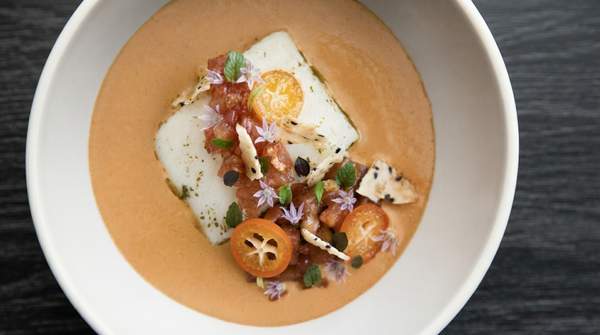
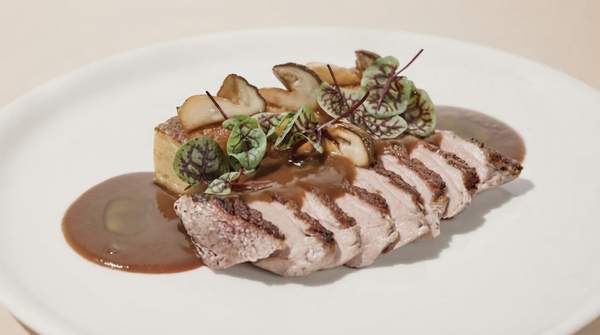
In 1798, an English traveler recorded a staggering 178-item menu at Paris's La Grande Taverne, featuring 10 soups, 12 starters, 10 beef dishes, and 36 desserts, according to Nationalgeographic. This immense offering showcased a new public access to culinary extravagance. Patrons could choose from an array of rich flavors and elaborate preparations, a sensory feast previously confined to private aristocratic tables. The sheer scale of menus, like this 178-item offering, reveals that post-revolutionary fine dining wasn't just about eating. It became a deliberate, overwhelming display of abundance designed to replace the lost spectacle of aristocratic courts with a new, consumer-driven form of luxury.
The French Revolution dismantled aristocratic privilege, but it simultaneously birthed the structured fine dining experience that would redefine luxury and social status. This era transformed how society engaged with food. It shifted from exclusive private meals to public consumption, creating new social rituals and expectations around eating out.
As dining culture continues to evolve with new trends and technologies, its foundational elements of presentation, service, and social signaling, established centuries ago, will likely persist, adapting rather than disappearing. These historical roots continue to shape how we perceive and experience culinary art in 2026.
The Birth of the Modern Restaurant
Antoine Beauvilliers opened La Grande Taverne de Londres in Paris in 1782, establishing Europe's first fine dining space, according to Aperitif. This establishment marked a pivotal shift from previous dining formats. It introduced a commercialized public culinary experience, moving high cuisine from private aristocratic kitchens to accessible public venues. This innovation democratized access to sophisticated dishes and an elevated dining atmosphere, previously reserved for the elite.
Beauvilliers’ vision transformed the act of eating into a curated event. He provided a setting where food, service, and ambiance converged to create a novel social ritual. This laid the groundwork for the modern restaurant industry, emphasizing individual choice and professional culinary execution.
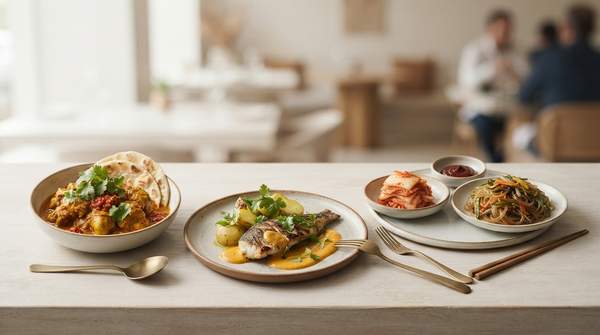
Beauvilliers' Innovations: Defining Fine Dining
Beauvilliers pioneered several key elements that became hallmarks of fine dining. He offered an extensive menu, a refined atmosphere, and knowledgeable staff, according to aperitif.com. His establishment also featured a curated wine selection and top-tier culinary skills, ensuring a comprehensive experience for his guests. These innovations collectively established a blueprint for the modern fine dining experience, emphasizing quality ingredients, professional service, and a distinct ambiance.
The attention to visual presentation and the creation of a special setting became as crucial as the food itself. Beauvilliers understood that the "experience" of dining involved more than just sustenance. It encompassed the sensory details, from the aroma of the dishes to the elegance of the table settings. The French Revolution, while dismantling old hierarchies, inadvertently laid the groundwork for new, more subtle forms of social distinction based on taste and access to curated experiences.
Revolutionary Roots: From Private Kitchens to Public Tables
The concept of fine dining took shape with the French Revolution in 1789. This upheaval led unemployed chefs, formerly catering to aristocracy, to open both casual and fine-dining restaurants across Paris, according to aperitif.com. The revolution inadvertently democratized high cuisine. It forced displaced aristocratic chefs into entrepreneurship, making their sophisticated skills available to a broader public.
The origins of fine dining are complex, serving both economic necessity and political objectives. Source A (aperitif.com) states fine dining took shape with unemployed chefs opening restaurants, implying an organic entrepreneurial response. However, Source B (also aperitif.com) notes Napoleon encouraged citizens to engage in delicacies to distract them, suggesting a deliberate political strategy. The emergence of public dining was a multi-faceted phenomenon, driven by both chefs seeking new livelihoods and state interests in social management.
This dual nature positioned fine dining as a tool for both social mobility and societal control. It offered a new platform for culinary talent while simultaneously providing a structured leisure activity for a changing society. The availability of diverse culinary options reflected a new era of consumer choice and public engagement with food culture.
Napoleon's Culinary Politics
In the early 1800s, Napoleon Bonaparte encouraged common citizens to engage in rich delicacies and French wines, according to aperitif.com. This strategy aimed to distract the populace from political unrest and channel revolutionary fervor into consumerism. Napoleon’s actions suggest that fine dining was not merely a culinary evolution but a deliberate political and social engineering tool.
Napoleon's strategic encouragement for common citizens to indulge in rich delicacies suggests the birth of fine dining was less about culinary freedom and more about channeling revolutionary energy into a controlled, palatable form of national pride and distraction. This approach reframed luxury consumption as a state-sponsored project. It transformed fine dining into a mechanism for maintaining social cohesion and political stability during a tumultuous period. The visual spectacle and sensory pleasure of a grand meal served as a powerful diversion.
How has dining etiquette changed over time?
Dining etiquette has evolved significantly, particularly with the introduction of service à la russe in the 19th century. This style, where dishes are brought out sequentially rather than all at once, transformed table layouts. It allowed for more elaborate individual place settings, emphasizing personal space and presentation.
What are the key milestones in food presentation history?
A major milestone in food presentation was the transition from service à la française, where all dishes were placed on the table simultaneously, to service à la russe. This shift, popularized in the 19th century, created more table space, leading to the invention of modern table settings for aesthetic appeal, according to hmgplus. This change improved efficiency and fundamentally altered table aesthetics, paving the way for contemporary place settings that prioritize individual plating and visual appeal.
What is the future of dining presentation?
The future of dining presentation will likely emphasize sustainability and personalized experiences, moving beyond mere aesthetics. Chefs increasingly integrate local, seasonal ingredients, often highlighting their provenance and ethical sourcing directly on the plate. Technology may also play a role, with augmented reality or interactive elements enhancing the visual and sensory aspects of a meal, creating immersive culinary journeys.
Enduring Symbols: Status on the Table
Centerpieces, plates, and cutlery continue to signify host status, much like in earlier times, according to hmgplus. Despite centuries of evolution in culinary practices, the fundamental role of dining elements in communicating social standing remains constant. The choice of dinnerware, the arrangement of a table, and the quality of linens all convey subtle messages about prestige and taste, reflecting enduring cultural values.
The French Revolution, while dismantling old hierarchies, inadvertently laid the groundwork for new, more subtle forms of social distinction based on taste and access to curated experiences. This legacy persists today, where dining presentation remains a powerful, non-verbal language of status and cultural refinement. The visual appeal of food and its setting continues to shape perceptions of quality and exclusivity.
By 2026, the restaurant industry will continue to adapt these historical elements. It ensures that the visual and experiential aspects of dining retain their central role in social expression. Chefs and restaurateurs constantly innovate, drawing on these deep historical roots to create novel and memorable dining experiences for a discerning public.