Nicola Brighton's business, Printed Weird, has grown by 62% since the 2022 data was collected, with her vibrant, personality-driven designs frequently selling out, according to BBC. The significant commercial success of Nicola Brighton's business highlights a clear market demand for interior design that prioritizes emotional uplift over conventional aesthetics. A profound shift in how individuals approach their living spaces, moving beyond mere functionality to embrace personal well-being, is signaled by the rapid expansion of such ventures.
Many homes, however, default to neutral aesthetics, often perceived as sophisticated or calming. A growing movement now shows that vibrant, personal decor can significantly boost mood and well-being, creating a tension between widely accepted design principles and emerging evidence of their psychological impact. The tension between widely accepted design principles and emerging evidence of their psychological impact suggests a re-evaluation of how environments shape emotional states.
The shift towards personalized, mood-enhancing interior design, often termed "dopamine decor," is likely to continue gaining traction as people increasingly prioritize emotional well-being in their living spaces. The shift towards personalized, mood-enhancing interior design reflects a deeper understanding of the home's role as an active participant in psychological health.
Nicola Brighton's Printed Weird has seen its growth surge by 62% since the 2022 data was collected, with her vibrant, personality-driven designs frequently selling out, according to BBC. The rapid expansion of Nicola Brighton's Printed Weird directly validates the market demand for interior design that prioritizes psychological uplift over conventional aesthetics. A significant shift in consumer preferences is underscored by the commercial success of Printed Weird.
Companies clinging to minimalist, neutral aesthetics are demonstrably missing a significant and growing market for emotionally resonant, mood-boosting home environments. The growing market for emotionally resonant, mood-boosting home environments indicates that consumers are actively seeking spaces that do more than simply exist; they want environments that actively contribute to their happiness. The appeal of dopamine decor lies in its tangible impact on daily psychological well-being, moving beyond traditional notions of timelessness or broad appeal.
The sustained growth in demand for emotionally resonant, mood-boosting home environments signals a fundamental re-evaluation of how interior spaces are perceived. It positions decor not merely as an aesthetic choice but as a critical determinant of daily psychological well-being. Individuals are increasingly prioritizing personal expression and emotional well-being in their living spaces, driving this demand for joyful, personalized decor.
What is Dopamine Decor?
Dopamine decor is an interior design approach that intentionally uses elements to stimulate positive emotions and a sense of well-being within a living space. This style emphasizes personal expression, incorporating bold colors, playful patterns, and objects with sentimental value. The goal is to create an environment that actively enhances mood and psychological comfort.
Vivid colors, for instance, can produce small dopamine hits, offering a sense of optimism and reward, according to BBC. The ability of vivid colors to produce small dopamine hits reveals that our immediate environment directly influences our emotional state. Intentional design thus becomes a powerful tool for mood regulation, allowing individuals to curate spaces that resonate with their inner selves.
The concept moves beyond merely decorating a room; it involves designing an experience. By understanding how certain visual cues can trigger positive neurochemical responses, dopamine decor provides a unique pathway for individuals to actively regulate their mood. It transforms a passive background into an active participant in one's emotional life, focusing on creating a heightened sense of well-being through conscious aesthetic choices.
The Psychology of Joyful Spaces
Dopamine decor fosters a heightened sense of well-being through direct personal expression. This design philosophy allows individuals to externalize their identity and boost their mood, leading to a heightened sense of well-being, according to the BBC. By consciously curating spaces that reflect individual identity and preferences, people can create environments that actively support their mental and emotional health. Homes transform into personal sanctuaries, moving beyond passive decoration to active well-being enhancement.
Dopamine decor acknowledges the profound link between our surroundings and our internal states. When a space is filled with items that evoke personal joy, nostalgia, or comfort, it creates a psychological anchor for positive emotions. Active engagement with one's environment, through spaces filled with items that evoke personal joy, nostalgia, or comfort, provides a tangible pathway for individuals to regulate their mood, offering a sense of control and empowerment over their daily psychological experience.
The intentional selection of colors, textures, and objects in dopamine decor serves to reduce stress and enhance feelings of happiness. The intentional selection of colors, textures, and objects in dopamine decor moves beyond generic aesthetics to focus on the individual's unique emotional landscape. It promotes a living space that not only looks appealing but also consistently contributes to a positive mental outlook, aligning form with psychological function.
Beyond Beige: Why Your Home Needs More Joy
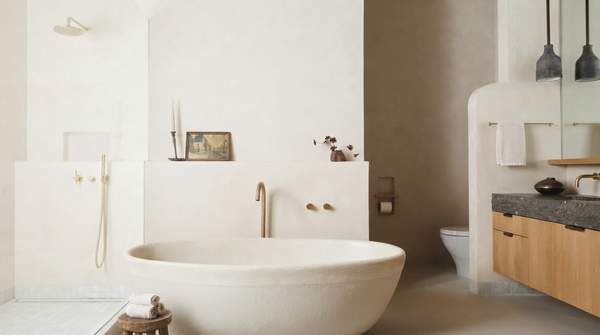
The widespread adoption of neutral home aesthetics, often perceived as sophisticated or calming, may inadvertently be contributing to a collective sense of emotional flatness. A home dominated by grey or neutral tones may result in feelings of emotional flatness, according to BBC. The finding that a home dominated by grey or neutral tones may result in feelings of emotional flatness contradicts the common perception of neutrals as inherently soothing, revealing a potential hidden cost to such design choices.
The understanding that neutral home aesthetics may contribute to emotional flatness elevates interior design from a mere aesthetic preference to a critical, often overlooked, determinant of daily psychological well-being. The traditional, often emotionally sterile, minimalist or neutral design philosophies may inadvertently contribute to feelings of flatness or detachment. The potential for traditional, often emotionally sterile, minimalist or neutral design philosophies to inadvertently contribute to feelings of flatness or detachment underscores the need for design philosophies that actively promote joy and personal connection rather than mere neutrality.
Dopamine decor emerges as a necessary psychological countermeasure to this emotional void. It addresses the problem that uninspired or overly neutral environments can induce, offering a vital and direct antidote. The emergence of dopamine decor as a necessary psychological countermeasure demands a re-evaluation of how living spaces are approached, recognizing their profound influence on our emotional and mental health. Individuals prioritizing personal expression and emotional well-being are thus finding a winner in this vibrant design movement.
Your Dopamine Decor Questions, Answered
How does color affect mood in interior design?
Color plays a significant role in dopamine decor by directly influencing psychological states. Warm colors like reds and oranges can energize and stimulate, while cool colors such as blues and greens often evoke calm and tranquility. The psychological impact of color is highly personal, so dopamine decor emphasizes selecting hues that specifically elicit positive emotional responses from the individual, rather than adhering to universal rules.
What are the benefits of dopamine decorating?
Beyond boosting mood, dopamine decorating offers several tangible benefits, including reduced stress, improved focus, and enhanced self-expression. By surrounding oneself with objects and colors that evoke joy and personal significance, individuals can create an environment that actively supports their mental clarity and emotional resilience. Dopamine decorating transforms a living space into a powerful tool for self-care and personal growth.
How to create a dopamine dressing room?
To create a dopamine dressing room, focus on elements that reflect personal style and bring joy, transforming a functional space into an uplifting one. Consider bold wallpaper with a favorite pattern, unique lighting fixtures, or a curated display of cherished accessories, according to Nazmiyal Antique Rugs. Incorporating items with sentimental value, vibrant textiles, or a comfortable seating area can personalize the space, making it an inspiring area for daily routines.
Designing for Happiness
Dopamine decor stands as a vital and direct antidote to the emotional flatness often induced by pervasive neutral aesthetics. It offers a measurable boost to personal well-being that traditional design often fails to deliver. Dopamine decor moves beyond passive decoration, recognizing that our homes are active participants in our emotional lives and critical determinants of our daily psychological state.
Ultimately, a significant re-evaluation in interior design, demanding intentional curation for happiness, is represented by dopamine decor. It empowers individuals to actively shape their environments to support their mental and emotional health. The focus shifts from merely decorating a space to designing an experience that consistently enriches one's life.
The dopamine decor movement is likely to continue gaining momentum. Businesses like Nicola Brighton's Printed Weird, with its 62% growth since the 2022 data was collected, will likely continue to thrive into 2026, as more people prioritize emotionally resonant and mood-boosting home environments over conventional, less personal aesthetics.