While home decor trends cycle through new aesthetics every season, Scandinavian design has remained authentically relevant for decades, offering a consistent path to a serene living space. Its emphasis on clean lines and natural elements counters rapid shifts in modern interiors. Embracing Scandinavian design principles for serene living spaces involves a commitment to enduring quality over fleeting novelty.
Modern home decor often chases fleeting trends, leading to styles that quickly become outdated. This pursuit of the temporary results in transient, unsatisfying environments, fueling a cycle of consumption. Scandinavian design proves that enduring style and genuine serenity are achieved by resisting them.
Adopting Scandinavian principles appears likely to lead to more sustainable, peaceful, and personally resonant living spaces, rather than constantly redecorating. This approach prioritizes longevity and environmental harmony, fostering lasting domestic tranquility.
What Defines Scandinavian Design?
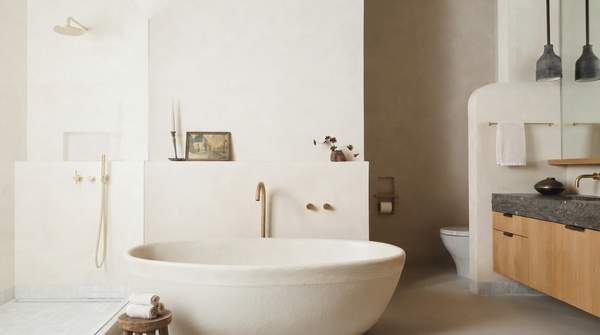
Scandinavian design emphasizes minimalism, functionality, and natural materials, according to Vogue. Minimalism reduces clutter to essential elements. Functionality ensures every object serves a clear purpose. Natural materials—light woods, wool, linen—connect interiors to the outdoors, fostering calm.
These elements create beautiful, practical spaces. Thoughtful integration of form and function makes interiors highly livable. This approach prioritizes ease of use, contributing to a less stressful home.
Beyond Aesthetics: A Philosophy of Lasting Harmony
Scandinavian design prioritizes harmony with the environment and enduring creations, fostering a simple, unencumbered lifestyle, as noted by Scandinavian Standard. This philosophy respects resources and craftsmanship. Its durability actively counters modern consumerism's disposable nature.
Longevity and environmental harmony lead to a less cluttered, more mindful life. Fewer, higher-quality items reduce waste and constant replacement, aligning personal well-being with ecological responsibility. The home becomes intentionally curated, reflecting stability and connection.