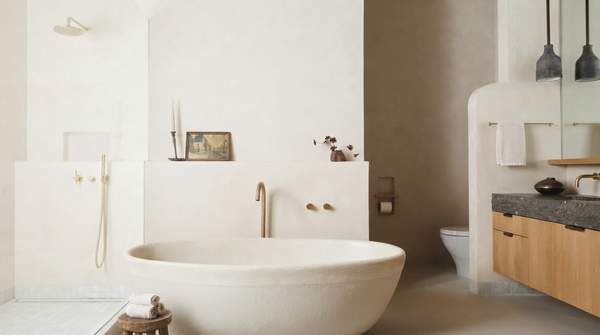
A kitchen featuring a raw concrete island and open shelving might look stunning in a magazine, but living with its constant dust and lack of hidden storage for a year reveals its practical shortcomings. This aesthetic, while visually striking, often demands meticulous upkeep and compromises daily convenience, turning a centerpiece into a chore. Homeowners increasingly seek unique, Instagram-worthy interiors, but many designs actively undermine the comfort and utility essential for daily living. The current trend of radical home interiors, driven by social media aesthetics, will likely result in widespread design fatigue and a future return to more balanced, functional, and enduring styles.
Homeowners report swift dissatisfaction with minimalist or industrial interiors, citing lack of warmth and storage within two years (Design Trends Survey 2023). This fatigue aligns with a shrinking trend lifespan, from seven-ten years to just two-three, fueled by social media (Interior Design Institute Report). Such rapid cycles push constant redecoration for fleeting appeal. Beyond personal comfort, radical designs impact value: homes with overly specific aesthetics linger 15% longer on the market and sell for 5-10% less than neutral designs (Real Estate Analytics Firm). Aspirational aesthetics often clash with the practicalities of ownership and resale, suggesting homeowners trade genuine comfort for digital validation.
The Allure of the Impractical
Open-concept bathrooms, a radical trend, are cited by 60% of users as lacking privacy and increasing humidity in adjacent rooms (Homeowner Feedback Forum). This reveals a fundamental trade-off: unconventional layouts often clash with basic functional needs. Raw, unfinished materials like exposed concrete or unsealed wood, popular in industrial aesthetics, require significantly more maintenance and are prone to staining or damage (Material Science Review).
Sculptural furniture often sacrifices ergonomic comfort, causing back pain or awkward seating (Ergonomics in Design Journal). 'Invisible' storage, while sleek, reduces accessibility, pushing clutter into view (Organization Experts' Study). The pursuit of visual impact often overlooks basic human needs for comfort, privacy, and ease. Social media trends subtly erode practical design principles, creating visually stunning but functionally flawed spaces.