Forget decorative clutter: Japandi design insists that every object in your home must prioritize functionality (2modern). This philosophy demands intentionality, challenging the impulse to fill spaces with transient, purely decorative items. It redirects focus from mere superficial aesthetics to the profound purpose each piece serves within a living environment, fostering a deeper connection between individuals and their surroundings.
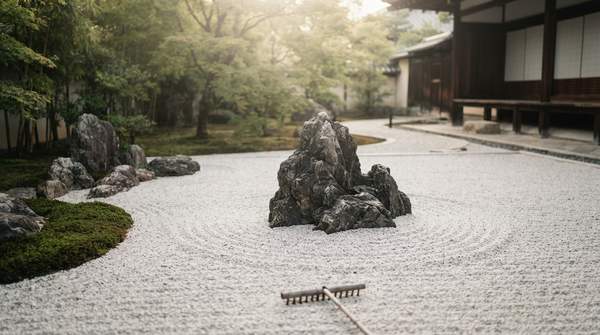
While Scandinavian design often emphasizes a sense of "hygge" – coziness and comfort – and traditional Japanese aesthetics focus on "wabi-sabi," embracing imperfection and transience, their fusion in Japandi creates a unified style that is both warm and starkly elegant. This deliberate tension between comfort and refined austerity defines the unique character of the Japandi aesthetic, offering a balanced approach to modern interiors.
As consumers increasingly seek intentionality and tranquility in their living spaces, Japandi design is poised to become a foundational and enduring aesthetic. It will likely influence future trends towards mindful consumption and sustainable living, offering a compelling antidote to decorative excess.
This rigorous emphasis on purpose over ornamentation makes Japandi design both inherently practical and profoundly calming. It encourages a deliberate, thoughtful approach to home curation, where each item must justify its presence through both practical utility and inherent beauty. This contrasts sharply with consumerist tendencies that favor impulsive acquisition and quickly discarded trends.
What is Japandi Design?
Japandi is a distinctive design philosophy that merges Scandinavian functionality with Japanese minimalism, creating a cohesive and harmonious aesthetic (lightformshop). This blend successfully integrates the rustic elements and deep reverence for nature found in Japanese design with the clean lines, practicality, and comfort inherent in Scandinavian style. The result is a unique fusion that feels both familiar in its individual components and refreshingly distinct in its combined expression, offering a balanced and refined approach to contemporary living spaces.
The integration of these two powerful styles moves beyond simple juxtaposition. Instead, it forms a new, integrated design language centered on purposeful elegance and enduring value. This combined perspective directly challenges the notion that beauty must be separate from utility, instead seeing them as intrinsically linked components of a well-designed object and space. This philosophical stance encourages a deeper appreciation for the objects we choose to surround ourselves with.
The Core Principles of Japandi Aesthetics
Japandi aesthetics are fundamentally marked by simplicity and a rigorous adherence to minimalism, ensuring that form always aligns with function (lightformshop). This commitment means every element within a Japandi space serves a deliberate and essential role, fostering environments free from unnecessary visual noise and clutter. The approach prioritizes clear, open spaces and uncluttered surfaces, which collectively promote a profound sense of calm, order, and mental clarity.
A design philosophy where the concept of "less is truly more" is a guiding tenet marks Japandi aesthetics. Objects are not merely chosen for their decorative potential but for their inherent quality, practical utility, and the quiet beauty derived from their purpose. This intentional selection process implicitly promotes mindful consumption, acting as a deliberate rejection of superficial adornment and contrasting sharply with design trends that often favor impulsive acquisition and transient styles.
A Palette of Calm: Colors and Materials
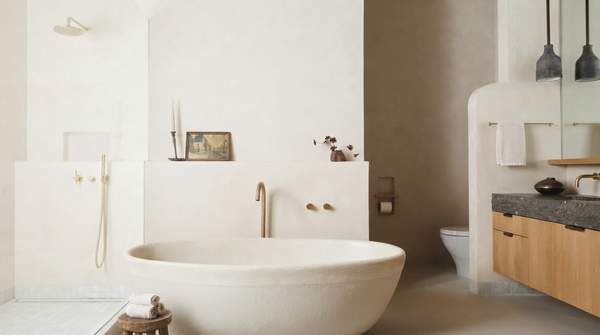
Japandi style distinctly utilizes a neutral palette and consistently embraces natural materials (2modern). This encompasses a range of muted tones such as soft grays, warm whites, and various natural wood finishes. The deliberate choice of these understated hues and organic textures contributes significantly to the style's calming and authentic feel, creating a serene backdrop for daily life.
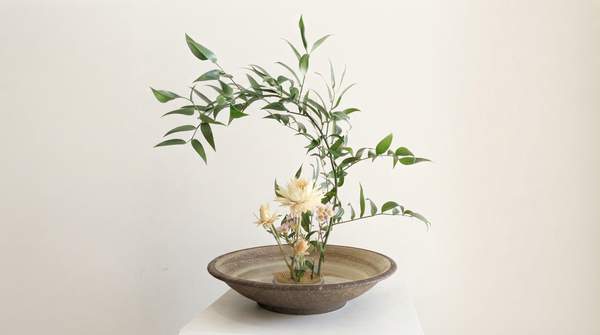
Key materials in Japandi design include light-toned woods, bamboo, and handcrafted ceramics. These elements are carefully introduced to bring warmth, tactile texture, and a sense of grounding without overwhelming the space. The consistent emphasis on natural elements not only enhances the serene atmosphere but also fosters a deeper connection to the environment, aligning with principles of sustainability and timeless appeal.
Beyond Aesthetics: The Philosophy of Japandi Living
Japandi style inherently creates balance within a space and actively celebrates craftsmanship (2modern). This balance extends beyond mere visual arrangement, encompassing the interplay between natural light and shadow, and the thoughtful placement of every object. It fosters environments that inherently promote well-being and tranquility through its meticulously considered design choices.
By fostering equilibrium and valuing handmade quality, Japandi design encourages a more mindful and appreciative way of living. This philosophy directly challenges contemporary consumerism by demanding intentionality in every object selected for the home. It ensures that items are not merely decorative pieces but are deeply integrated into daily life, serving a clear purpose while contributing to the overall aesthetic and emotional calm of the space.
Implementing Japandi: Practical Design Elements
How to incorporate Japandi design into your home?
To integrate Japandi design effectively, begin by decluttering thoroughly to create open, airy spaces. Focus on selecting multi-functional furniture pieces that offer both utility and aesthetic appeal. Introduce natural textures such as linen, wool, and unglazed pottery, ensuring a cohesive and understated material palette. Emphasize clean lines in furniture and architectural elements, allowing each item to contribute to the room's overall tranquility without visual excess.
What is the difference between Japanese and Scandinavian design?
Japanese design often highlights "wabi-sabi," an aesthetic that embraces imperfection, transience, and the beauty of natural aging, frequently utilizing darker, natural wood tones and a more contemplative approach. In contrast, Scandinavian design typically favors lighter woods, bright and open spaces, and the concept of "hygge," emphasizing coziness, comfort, and practical simplicity. Japandi design skillfully blends these two philosophies, creating a harmonious middle ground that is both warm and elegantly stark, achieving a unique balance.
The Enduring Appeal of Purposeful Beauty
Japandi design fundamentally derives beauty from utility, suggesting an object's aesthetic value is inherently tied to its practical purpose rather than being a separate, added embellishment (lightformshop). This profound philosophical stance directly challenges contemporary consumerism, which frequently prioritizes fleeting trends and superficial aesthetics over lasting value and intrinsic purpose. It demands intentionality in every object, fostering a deeper, more meaningful connection between individuals and their meticulously curated living spaces.
Ultimately, Japandi design teaches that true beauty often emerges most powerfully from the practical and purposeful aspects of our environment. Companies selling home goods, such as Article or West Elm, must recognize this profound philosophical shift towards intentional consumption, where every item must justify its presence through both utility and inherent beauty. By 2026, brands prioritizing authentic craftsmanship and purposeful design in their collections will likely see sustained appeal, as discerning consumers increasingly reject decorative clutter in favor of meaningful, enduring aesthetic principles.