Dolgopiatova Design's Innovative Office Previewed

A lawyer's office, designed by Oksana Dolgopyatova, has been reported as 'completed' in 2025, challenging the very notion of breaking news in architectural design.

LB
Luca Bianchi

April 22, 2026 · 3 min read

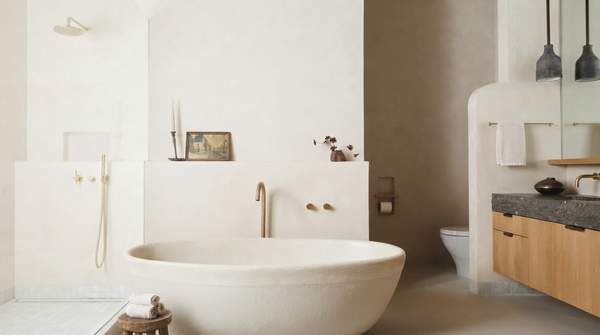
Interior view of a minimalist, light-filled lawyer's office designed by Dolgopiatova Design, featuring natural elements and a serene atmosphere.

A lawyer's office, designed by Oksana Dolgopyatova, was reported as 'completed' in 2025, challenging the very notion of breaking news in architectural design. This innovative artistic office design, focused on silence and natural connection, receives significant attention two years before its actual physical realization.

An innovative office design was celebrated as 'completed' in 2025, but its actual completion date was two years prior. The temporal discrepancy highlights a growing tension within architectural journalism regarding project timelines.

Architectural publications may increasingly engage in anticipatory reporting, highlighting designs before their physical realization, potentially reshaping industry buzz cycles and the public's understanding of completion.

A Glimpse into Tomorrow's Workspace

  • The office design prioritizes silence, tactility, soft light, a connection to nature, and the absence of visual noise, according to Archdaily.
  • The office features a variety of textural and patinated surfaces, notes Dezeen.
  • Oksana Dolgopyatova's design transforms three apartments into this unique workspace, according to Mix Interiors. The design choices reflect a forward-thinking approach to workspace creation, emphasizing well-being and a departure from conventional office environments.

The Rise of Anticipatory Design Reporting

Archdaily.com's reporting, which stated "The office was completed in 2025," directly contrasts with current-year announcements of its 'completion'. The contrast creates an immediate narrative impact, blurring the line between conceptual design and built reality.

Based on Archdaily.com's reporting of a 2025 completion date, architectural media is trading factual accuracy for immediate narrative impact, setting a dangerous precedent for how design is consumed and understood by the public. This early announcement strategy could become a new trend for high-profile projects, generating buzz long before physical completion.

Shifting Paradigms in Architectural Publicity

The digital landscape encourages novel approaches to content dissemination, where news value can stem from conceptual innovation as much as physical completion. Novel approaches to content dissemination allow designers like Dolgopyatova to gain early attention for their future projects.

The detailed descriptions of sensory experiences like 'silence, tactility, soft light' (Archdaily) and 'textural and patinated surfaces' (Dezeen) for a project that doesn't yet exist suggest that the idea of a space, rather than its physical reality, is now the primary currency in design discourse, pushing architects to design for media rather than inhabitants.

Implications for Future Design and Journalism

This incident may prompt a re-evaluation of what constitutes 'completion' and 'news' in the design world. It fosters more speculative and future-oriented content, shifting focus from documented structures to anticipated experiences.

Architects might increasingly design for media presentation, prioritizing visually compelling concepts over the practicalities of immediate construction. This could influence client expectations and project development long before groundbreaking ceremonies occur.

Your Questions Answered About the 2025 Office

What defines 'completion' in this new reporting model?

In this context, 'completion' appears to refer to the finalization of the design concept and its media-ready representation, rather than its physical construction. This allows for early public discourse around the project's aesthetic and functional intent.

How does this anticipatory reporting benefit Dolgopiatova Interior Design?

This strategy offers significant advantages by generating early buzz and establishing the designer's innovative reputation ahead of time. It can attract future clients and commissions, leveraging media attention to build brand recognition for Oksana Dolgopyatova's distinctive approach.

Were there risks associated with reporting projects before physical completion?

Reporting projects as 'completed' years in advance carries risks, including potential discrepancies between the publicized design and the final built reality. Changes in materials, budget, or client needs during actual construction could lead to public disappointment if expectations are not met by 2025.