Form & Taste
FashionAccessoriesBeautyDesignBrandsTrends
Trending
AccessoriesFashionFashionLuxuryFashion TrendsFashion TrendsFood TrendsFine Dining
Form & Taste—Exploring the Intersection of Style, Design, and Taste
FashionAccessoriesBeautyDesignBrands|WritersContactPrivacyTerms

© 2026 Form & Taste. All rights reserved.

  1. Home
  2. /Design
  3. /What are Biophilic Design Principles for Well-being and Aesthetics?
Design

What are Biophilic Design Principles for Well-being and Aesthetics?

Urban living often diminishes physical and mental health, a stark contrast to green spaces.

LB
Luca Bianchi

July 20, 2026 · 3 min read

A modern living space with abundant plants, natural materials, and large windows showcasing a green urban landscape, promoting well-being.

Urban living often diminishes physical and mental health, a stark contrast to green spaces. Biophilic design aims to bridge this gap. Its profound health and economic benefits are well-documented, yet integration into mainstream urban practices remains nascent. This gap persists despite clear evidence of positive psychological impact, including inspiration, according to PMC. Designs lacking biophilic quality adversely affect these states. Based on extensive evidence of its impact on human health, cognitive function, and economic value, biophilic design is poised to become an essential standard for future built environments by 2027, though widespread adoption requires overcoming inertia.

What is Biophilic Design?

Biophilic design integrates natural elements into built environments, fostering human connection with nature. This approach acknowledges our innate affiliation with natural systems. Core elements include natural light and views of nature, creating visual and sensory links to the outdoors, according to HDRinc. Interior finishes often mimic natural materials and colors, encouraging warmth and familiarity. The thoughtful selection of wood, stone, or organic patterns contributes to a restorative atmosphere. Water features, like fountains or reflective pools, further enhance these environments, reducing stress and improving auditory comfort. These multi-sensory experiences positively influence occupants' moods and cognitive states, proving biophilic design creates deeply restorative spaces beyond mere aesthetics.

Beyond Aesthetics: How Nature Boosts Cognition and Health

Biophilic design optimizes cognitive function and enhances physical vitality. Prioritizing visual connections to nature, alongside thermal and airflow variability, delivers learning and healing environments that boost cognitive engagement and reinvigorate the body, according to HDRinc. Subtle variations in temperature and air movement mimic natural outdoor conditions, preventing monotony and maintaining alertness. These elements collectively accelerate healing and improve concentration. Employers neglecting these principles inadvertently suppress workforce productivity and well-being, rather than optimizing their built environments. This oversight diminishes cognitive function and increases employee stress, impacting overall performance and revealing a critical design failure.
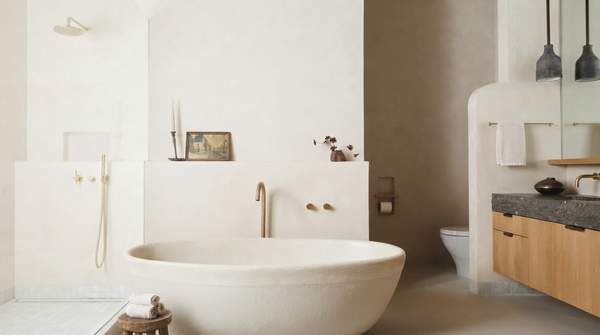

The Tangible Benefits: Health, Productivity, and Profit

Biophilic design yields profound health and economic benefits across workplaces, healthcare, schools, and neighborhoods, according to Terrapin Bright Green. Building managers, for instance, retain higher rents through its implementation. This financial incentive confirms occupants value natural connections, translating directly into economic advantages for property owners. Companies neglecting biophilic design leave tangible revenue on the table, mistaking a health investment for a mere aesthetic upgrade. The measurable psychological and cognitive benefits of biophilic spaces drive both human well-being and clear economic returns.

The Scientific Imperative for Biophilic Design

Extensive research underpins biophilic design. For instance, 435 studies were analyzed to identify key trends and thematic patterns, according to MDPI. This substantial body of work provides compelling evidence for its efficacy. Yet, widespread negative health impacts persist in typical urban environments, as highlighted by PMC. This discrepancy reveals a significant disconnect between established solutions and practical implementation. The urban health crisis is not intractable; it is a solvable design challenge that cities are demonstrably failing to address. This evidence moves biophilic design beyond a trend, establishing it as an essential practice for future urban planning.

Common Questions About Biophilic Integration

What is the difference between biophilic design and sustainable design?

Biophilic design focuses on human connection to nature for well-being and productivity. Sustainable design minimizes environmental impact through efficiency and responsible sourcing. Both can overlap, but their core objectives differ: human-centered for biophilia, environment-centered for sustainability.

How can biophilic design be implemented in existing urban structures?

Integrating biophilic design into existing structures involves retrofitting. This includes adding living walls or green roofs, maximizing natural light, and introducing indoor plants or water features. Natural materials and biomorphic patterns can also enhance nature connection without extensive structural changes.

What are the key challenges to widespread biophilic design adoption?

Challenges include perceived higher initial costs and a lack of understanding of long-term benefits. Maintenance for living elements is also a concern. Overcoming these requires education, clear ROI demonstration, and updated building codes.

Designing for a Healthier Future

By 2026, urban planners and developers, including firms like Green City Innovations, must recognize that integrating biophilic principles is not an option but an economic and ethical imperative. This shift will likely lead to higher property valuations, improved occupant retention, and demonstrably healthier urban populations, transforming inert structures into dynamic, life-affirming spaces.

Related Coverage from Design

  • Struggling With Your Vision? Here's How Next Level Austin Turns Your Vision Into Your Dream Home
  • What are biophilic design principles for interior spaces?
  • What Are Biophilic Design Principles for Well-being and Productivity?
  • What are biophilic design principles for interior well-being?

Tags

Biophilic DesignWell BeingAestheticsUrban LivingNature In DesignSustainable DesignMental HealthArchitecture
LB

Luca Bianchi

Design Writer

Luca Bianchi is a Design Writer for Form & Taste, exploring the intersection of design, objects, and visual aesthetics with a minimalist perspective. He focuses on uncovering the stories behind exceptional objects to inspire an informed and sophisticated audience.

More from Design

A modern smart kitchen design featuring integrated technology, minimalist appliances, and ambient lighting, showcasing its role as a central hub for living and entertaining.

Top 7 Modern Smart Kitchen Design Ideas for 2026

By 2026, the kitchen's role has expanded dramatically, described as 'no longer just a place for cooking, but a central hub for living and entertaining,' according to Splash Magazines Worldwide .

Luca Bianchi· Jul 20
A serene and warm minimalist living room with natural light, curated furniture, and personal decor items, embodying simplicity and well-being.

What Are Minimalist Interior Design Principles for Serene Living?

Despite common belief, a truly minimalist home isn't about stark white walls and empty rooms, but about curating spaces that feel both warm and deeply personal.

Luca Bianchi· Jul 18
The grand, restored facade of the Legacy Theater illuminated at dusk, with modern, energy-efficient lighting subtly integrated into the surrounding landscape.

Legacy Theater's Bold Vision for Restoration and Modernization

A former theater building, purchased for just $58,000, now boasts a summer energy use averaging only 10.

Luca Bianchi· Jul 18
A split image showing a designer focused on sustainable concepts versus a busy market prioritizing conventional aesthetics and convenience.

Designers Prioritize Social Impact Over Aesthetics, But Market Realities Loom.

A recent survey found that 70% of consumers would pay more for a 'sustainable' product, yet only 15% could accurately define what makes a product truly sustainable, according to Ipsos .

Luca Bianchi· Jul 18

Trending Now

1
A close-up shot of a woman's hand wearing stylish waterproof jewelry, including rings and bracelets, submerged in sparkling blue ocean water on a sunny beach day.

The 4 Best Waterproof Jewelry Brands for Summer 2026

Accessories· 28 views
2
Diverse group of high school students in stylish 2026 prom fashion, influenced by social media trends and regencycore aesthetics.

Social media shapes 2026 prom fashion trends, influences styles

Trends· 21 views
3
5 Ways Black Maple Magazine Honors Black Canadian Heritage Through Intentional Design

5 Ways Black Maple Magazine Honors Black Canadian Heritage Through Intentional Design

Fashion· 13 views
4
Chefs in a bright, modern kitchen preparing meals with an abundance of fresh, colorful, locally sourced fruits, vegetables, and herbs.

Top 8 Sustainable Sourcing Practices for Restaurants

Food· 5 views
5
Football star Erling Haaland looking sharp in a cream satin suit at the Dolce & Gabbana fashion show in Sicily.

Erling Haaland dazzles at Dolce & Gabbana fashion show in Sicily

Fashion· 6 views
6
The Ultimate Aiming Fluid Golf Guide to an Organized On-Course System

The Ultimate Aiming Fluid Golf Guide to an Organized On-Course System

Trends· 4 views