What Is Slow Fashion and Why Does It Matter for Your Wardrobe?

For many consumers, the cost of mending a beloved garment often exceeds the price of buying a brand new, mass-produced item.

AC
Adrianne Cole

April 16, 2026 · 3 min read

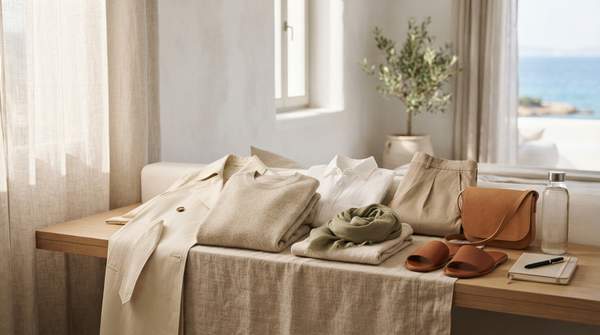
A person meticulously mending a high-quality garment in a well-organized, minimalist wardrobe, symbolizing the principles of slow fashion.

For many consumers, the cost of mending a beloved garment often exceeds the price of buying a brand new, mass-produced item. This economic disparity, as reported by BBC, renders garment longevity a luxury, not a norm.

Yet, fashion companies increasingly embrace sustainable practices, as ScienceDirect notes, aiming to lessen environmental impact and gain competitive edge. This creates a profound disconnect: industry efforts on the supply side are undermined by a demand side that actively discourages sustainable choices, such as extending garment life.

While the slow fashion movement gains traction and offers viable alternatives, its widespread adoption will likely remain constrained by the pervasive economic advantages of fast fashion. True scale requires a significant shift in consumer values and policy.

What is Slow Fashion?

Slow fashion champions a deliberate approach to clothing, prioritizing longevity, ethical sourcing, and minimal environmental impact over rapid consumption. This movement directly counters the fast fashion model, which relies on quick trends and disposable garments.

Brands like Rifò, an Italian label, exemplify this by recycling textile waste into new garments, a commitment highlighted by Good On You. Similarly, Kampos transforms recycled plastic bottles and fishing nets into unique, high-quality fashion items. Rifò's recycling of textile waste into new garments and Kampos's transformation of recycled plastic bottles and fishing nets into unique, high-quality fashion items underscore slow fashion's holistic vision for a more responsible industry.

Navigating Ethical Choices: Understanding Certifications

To identify genuinely sustainable and ethical brands, consumers can rely on industry certifications for transparency. These marks verify a brand's commitment to environmental and social responsibility, offering clarity in a complex market.


For instance, the Global Organic Textile Standard (GOTS) mark guarantees an item is made from at least 70% organic fibers, ensuring strict ecological and social criteria throughout the supply chain, as reported by Good On You. Similarly, the Fairtrade cotton mark signifies production by a Fairtrade certified organization in a developing country, ensuring fair prices and working conditions. Together, these certifications provide essential transparency, empowering consumers to make informed choices.

The Broader Impact: Social Good and Business Advantage

Beyond environmental protection, slow fashion fosters social equity and offers a strategic advantage for brands genuinely integrating ethical practices. These efforts extend to community support and worker welfare.

Opera Campi, for example, donates 4% of its profits to social causes, demonstrating a commitment beyond product sales, as reported by Good On You. This aligns with findings from ScienceDirect, which notes companies adopt sustainable practices not only to lessen environmental impact but also to gain competitive advantages. Opera Campi's donation of 4% of its profits to social causes and ScienceDirect's findings that companies adopt sustainable practices for competitive advantages suggest a powerful dual motive: ethical responsibility combined with shrewd business strategy.

Common Questions & Ethical Standards

How can I build a sustainable wardrobe in 2026?

Building a sustainable wardrobe in 2026 prioritizes quality over quantity and ethical production. Seek certifications like those from the Fair Wear Foundation (FWF), whose 110 member brands improve labor conditions in textile factories. Investing in durable, versatile pieces and exploring second-hand options also contributes.

What are the benefits of slow fashion?

Slow fashion offers reduced environmental impact through less waste and lower resource consumption. It also ensures fairer labor practices and results in higher-quality, long-lasting garments. The Fairtrade Textile Standard, for instance, prohibits harmful materials, safeguarding workers and the environment.

What are examples of slow fashion brands in 2026?

Several brands exemplify slow fashion principles. Artknit Studios, for instance, uses 100% lower-impact materials, prioritizing transparency and quality. Rifò and Kampos also prioritize circularity and recycled materials, showcasing ethical, environmentally conscious design.

The Future of Sustainable Wardrobes

If economic incentives shift through policy changes like repair subsidies or taxes on disposable items, slow fashion will likely transcend its niche, making sustainable wardrobes truly accessible by 2026.