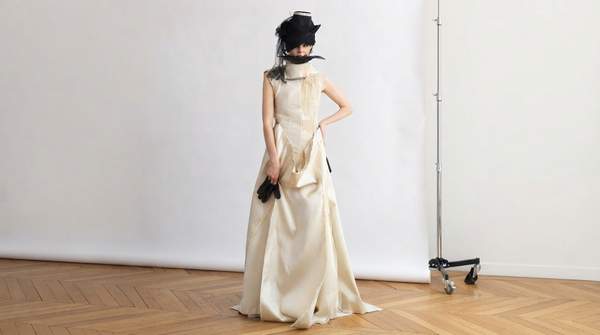
Beyond simply hanging clothes on a mannequin, a fashion curator's choices in object selection and spatial arrangement actively frame cultural storytelling, influencing perceptions of 'fashion' and its intrinsic value. These deliberate presentations, often highlighting intricate construction or historical evolution of textiles, shape public understanding of design artistry, directly impacting desirability for future collections and brand prestige.
Fashion curation is often seen as a passive display. However, it is a highly strategic process that actively constructs cultural narratives and shapes market perception. This common view overlooks the sophisticated interpretive frameworks curators employ to imbue clothing with profound meaning and commercial appeal.
Based on the increasing sophistication of curatorial frameworks and digital tool integration, the curator's influence on cultural discourse and market trends is likely to expand significantly. This makes their expertise even more critical in 2026, underscoring a deliberate manufacturing of cultural significance rather than just a reflection of it.
Defining the Modern Fashion Curator
A modern fashion curator, unlike a simple archivist, meticulously selects and interprets garments to communicate specific cultural narratives. Their primary objective involves transforming clothing from mere objects into artifacts brimming with contextual meaning, exploring craftsmanship in a couture gown or societal commentary in a ready-to-wear piece. This process actively shapes how audiences engage with and understand fashion's broader cultural impact. Through careful arrangement, thematic development, and interpretive labels, curators aim to construct public perception, guiding viewers towards specific insights about fashion's artistry and evolution.
The Strategic Frameworks of Fashion Curation
Curators employ specific interpretive frameworks: Narrative, Staging, and Experience, according to frontierspartnerships research. These models provide a structured approach to presenting fashion, ensuring each exhibition communicates a coherent story, tracing a silhouette's lineage or a textile innovation's cultural impact. Curatorial decisions, spanning object selection, narrative construction, spatial arrangement, and visitor engagement, deliberately frame cultural storytelling mechanisms, as detailed by frontierspartnerships. This integrated approach ensures every element contributes to a predetermined perception of an object's cultural significance and market worth, highlighting designer intent or social resonance.

Furthermore, digital tools now serve as integral components of this curatorial process, extending the power of physical 'props' used to mediate and contextualize objects, according to frontierspartnerships. An exhibition's influence is not confined to its physical space, but can reach global audiences through virtual tours or augmented reality. Curators continuously shape narratives beyond gallery walls, blurring physical and virtual influence on perception and value. Modern fashion curation, through 'visitor engagement' and integrated digital tools, evolves into an interactive experience where audience participation actively contributes to the curated narrative, deepening engagement with the artistry on display.
Why Curatorial Choices Shape Market Trends
The deliberate construction of cultural narratives by fashion curators directly influences public perception, consequently steering market trends. When an exhibition successfully frames a garment or designer within a compelling historical or social context, highlighting innovative fabric development or unique embellishments, it elevates that item's perceived value. This elevation can translate into increased demand and influence for specific aesthetics, materials, or brands. For instance, a well-curated retrospective on sustainable fabrics or artisanal techniques can shift consumer interest towards eco-conscious fashion or handcrafted luxury. Curatorial decisions actively manufacture cultural significance, influencing future design directions and consumer purchasing patterns.
Based on the frontierspartnerships research, fashion curators are no longer mere custodians of artifacts; they are active architects of cultural meaning. They use interpretive frameworks like Narrative, Staging, and Experience to pre-determine public perception and market value. This strategic role positions curators as influential figures in fashion's commercial viability, shaping what is deemed desirable and collectible. Their work can validate emerging designers, revive interest in historical styles, or popularize specific craftsmanship techniques, directly affecting purchasing patterns and industry direction in 2026. This proactive approach ensures fashion is viewed as a dynamic cultural force, not just a commodity.
Answering Key Questions About Fashion Curation
What skills are needed to be a fashion curator?
A fashion curator requires a blend of historical knowledge, artistic vision, and strong communication abilities. They must understand the cultural context of garments, possess an eye for aesthetic presentation, and effectively convey complex narratives to diverse audiences. Expertise in digital tools for exhibition design and audience engagement also becomes increasingly crucial, as noted by pattern curator Kristine Go regarding market shifts for SS 2025 and FW 2025/26, according to Texintel.
What is the difference between a fashion curator and a fashion stylist?
A fashion curator focuses on interpreting and preserving fashion as cultural artifacts, typically within institutional settings like museums, constructing narratives for public education and historical context. A fashion stylist, conversely, primarily works with contemporary fashion for commercial purposes, such as photoshoots, runway shows, or personal branding, aiming to create appealing looks for immediate consumption. While both involve aesthetic arrangement, their objectives and contexts differ significantly, with curators shaping long-term cultural value and stylists influencing immediate trends.
How do fashion curators interact with the art market?
Fashion curators can influence the art market by elevating garments to collectible status through their interpretive displays, as discussed in the "Fashionability and the Art Market" session at Forarthistory Org Uk. By presenting fashion within an art historical framework, they can increase its perceived artistic and economic value, attracting collectors and investors. This strategic positioning helps integrate fashion more deeply into the broader art discourse and investment landscape.
The Evolving Influence of the Fashion Curator
Modern fashion curators have evolved beyond traditional roles; they are now active architects of cultural meaning and market value. By employing sophisticated interpretive frameworks like Narrative, Staging, and Experience, they deliberately shape how audiences perceive and value garments, emphasizing intricate construction, historical resonance, or innovative materials. The integration of digital tools as "integral components" and "extensions of props," as identified by frontierspartnerships, expands their influence far beyond physical galleries. This allows for continuous shaping of narratives in the digital realm, making fashion a perpetually curated experience that influences consumer choices and industry direction with dynamic reach.
The fashion curator's role is becoming increasingly pivotal where cultural significance directly impacts commercial success. Their strategic efforts in constructing compelling narratives and engaging audiences are not just about display; they are about manufacturing cultural relevance and shaping future trends. This active construction of meaning will only grow in importance as digital platforms offer new avenues for immersive storytelling and global dissemination of fashion's artistry. By Q4 2026, major institutions like The Metropolitan Museum of Art's Costume Institute will likely expand their digital curatorial initiatives, further solidifying the curator's role in shaping global fashion dialogues and market trends through innovative and accessible presentations.