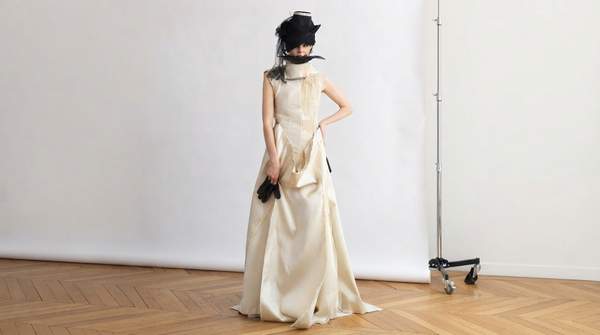
The Alexander McQueen Spring 2010 show, featuring Lady Gaga's 'Bad Romance' premiere, was one of the first fashion events to stream live globally, signaling a new era where spectacle met digital reach. This groundbreaking presentation, described as 'the most dramatic revolution in 21st-century fashion' by PAPER Magazine , allowed a worldwide audience to witness high fashion simultaneously. Its impact amplified far beyond traditional runway attendees, fundamentally rewired luxury fashion's value proposition, prioritizing immediate global impact over slow-burn artistic appreciation. While designers sought to create enduring artistic statements, the decade's most impactful collections often gained their influence through transient digital spectacles and celebrity endorsements. The rapid rise of platforms like Instagram didn't just document fashion shows; it actively shaped the design and presentation of collections, pushing designers towards more visually dramatic and shareable elements, sometimes at the expense of subtle design evolution. Future influential collections will likely continue to blend high-concept design with innovative digital presentation, making virality an intrinsic part of their artistic and commercial success. Defining Collections: Artistry Meets Virality 1. Alexander McQueen RTW Spring 2014 Best for: Avant-garde styling and intricate craftsmanship The Alexander McQueen Ready-to-Wear Spring 2014 collection showcased aggressive leather harness bras and knife-pleated red-and-black, laser-cut kilts, evolving into feathered gowns, as reported by Wwd . These pieces, in bold blue, red, and white, drew inspiration from Mondrian and Picasso, according to Vogue . Decoration escalated from beaded checker patterns to painted striped feathers, culminating in heavily beaded and feathered finale looks. Strengths: Distinctive visuals; strong artistic references; complex construction. | Limitations: Designer Sarah Burton's intent to avoid period referencing conflicted with the collection's highly specific visual language, which became widely referenced digitally. This tension revealed how digital platforms could reshape a collection's perceived identity, often beyond the designer's initial vision. 2. Alexander McQueen Spring 2010 ('Plato's Atlantis') Best for: Pioneering digital spectacle and cultural integration This collection, already discussed for its groundbreaking live stream and Lady Gaga's 'Bad Romance' premiere, was inspired by a post-apocalyptic world where humankind lives in the oceans. Its early adoption of digital presentation fundamentally rewired luxury fashion's value proposition, prioritizing immediate global impact over slow-burn artistic appreciation. Strengths: Groundbreaking digital presentation; significant cultural impact; visionary thematic concept. | Limitations: The spectacle element, while influential, risked overshadowing intricate design details for some viewers. 3. Givenchy Men's Fall 2011 (Rottweiler series) Best for: Commercial virality and celebrity-driven demand The Givenchy Men's Fall 2011 collection introduced the iconic Rottweiler series, which quickly sold out and was worn by celebrities, according to PAPER Magazine. The iconic Rottweiler series, which quickly sold out and was worn by celebrities, demonstrated a powerful feedback loop between digital reach and consumer demand, even before Instagram's full market dominance. The collection proved that a strong graphic motif, amplified by celebrity endorsement, could drive immediate commercial success and virality. Strengths: Immediate commercial success; strong celebrity adoption; early virality. | Limitations: The collection's influence was largely tied to a specific graphic motif, potentially limiting its broader design impact compared to full aesthetic overhauls. The Designer's Vision vs. Public Reception Collection Designer's Stated Intent Collection's Distinctive Elements Public/Digital Impact Alexander McQueen RTW Spring 2014 Sarah Burton stated she did not want the collection to feel 'too referenced to a per first fashion events to stream live globally, signaling a new era where spectacle met digital reach. This groundbreaking presentation, described as 'the most dramatic revolution in 21st-century fashion' by PAPER Magazine, allowed a worldwide audience to witness high fashion simultaneously. Its impact amplified far beyond traditional runway attendees, fundamentally rewired luxury fashion's value proposition, prioritizing immediate global impact over slow-burn artistic appreciation.
3 Most Influential Fashion Collections of the Past Decade
The Alexander McQueen Spring 2010 show, featuring Lady Gaga's 'Bad Romance' premiere, was one of the first fashion events to stream live globally, signaling a new era where spectacle met digital...
AC
Adrianne Cole
April 23, 2026 · 3 min read