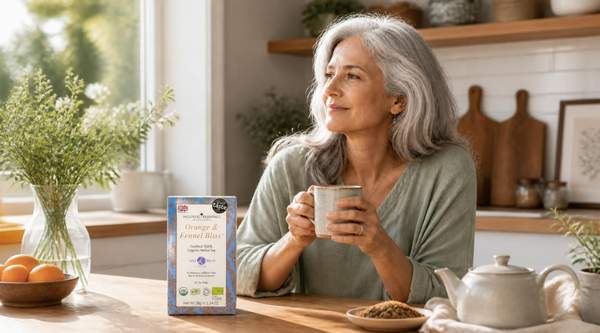
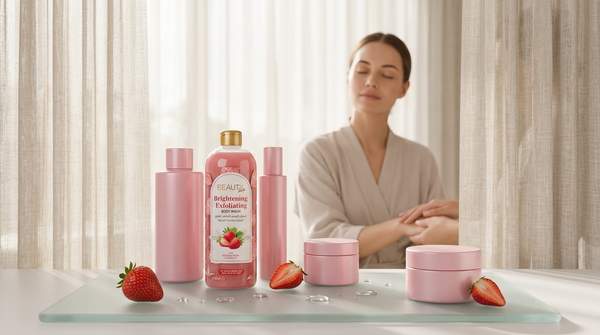
This Mother's Day, gift guides are recommending AI-curated skincare routines and 'pro-aging' serums, marking a stark departure from the generic perfumes and lotions of just a few years ago. A 2025 industry report indicates 60% of consumers now prioritize personalized beauty experiences over generic products for Mother's Day gifts, according to Beauty Trends Institute. The prioritization of personalized beauty experiences solidifies the 'Mother's Day 2026 beauty gift guide' as a benchmark for evolving consumer expectations.
But Mother's Day beauty gift guides are becoming increasingly sophisticated and personalized, and this complexity risks overwhelming consumers with too many niche choices. The term 'pro-aging' has seen a 45% increase in usage within beauty marketing campaigns for Q1 2026, replacing traditional 'anti-aging' rhetoric, according to Marketing Insights Group. The concept of 'beauty as self-care ritual' is also a dominant theme across 2026 Mother's Day beauty campaigns and gift guides, reports Cultural Marketing Review, further emphasizing the shift towards highly nuanced offerings.
The beauty gift market is likely to see a continued fragmentation, with success leaning heavily on brands' ability to offer highly specific, values-aligned, and experience-driven products, potentially leaving traditional broad-appeal items behind. Companies relying solely on AI to drive hyper-personalized Mother's Day gift guides are likely to see diminishing returns, as the data suggests consumers are becoming overwhelmed by choice, trading convenience for anxiety.
The Rise of Hyper-Personalized Wellness
New AI-powered platforms now enable gift guides to recommend hyper-specific skincare routines based on demographic and lifestyle data, according to TechBeauty Analytics. The precision of AI-powered recommendations is amplified by influencer marketing, with TikTok trends from late 2025 driving the inclusion of specific 'skin barrier repair' and 'microbiome-friendly' products in 2026 guides, reports SocialMedia Beauty Watch. The convergence of data and social influence creates incredibly granular recommendations. Hyper-personalization directly answers a consumer demand for tailored solutions, moving beyond one-size-fits-all advice.