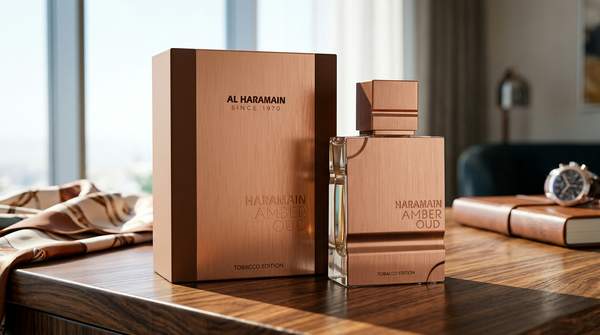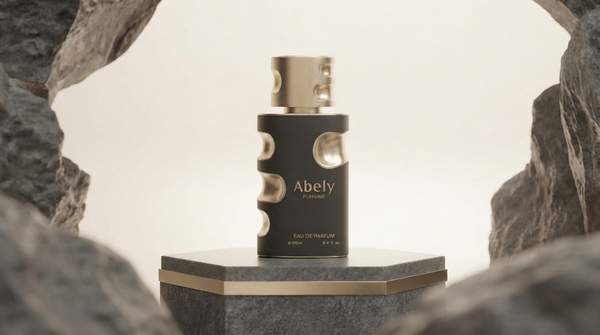
Luxury perfume bottles are designed as strategic brand objects, not mere containers: brands pair master glassmakers, porcelain houses, architects, and artists with in-house designers to transform glass, crystal, and hand-finished detail into a physical expression of a fragrance's story. The result is a vessel that industry packaging specialists say establishes premium positioning, differentiates the product, and builds an emotional connection that makes customers want to display and collect it.
Introduction: The Art of Scented Vessels
A luxury flacon sits at the intersection of utility and art. Writing on perfume packaging, Corrado Fioroni of the Minelli Group describes an elegantly crafted bottle as something that "embodies the brand's value," turning each perfume into "a work of art that customers want to display and collect." The design problem, as one glass-industry guide frames it, is marrying visual allure with practical function while balancing historical artistry and cultural storytelling.
That framing has deep roots. Bottles began as functional vessels and evolved into symbols of art and status, which is why a collector might marvel at an opulent Boucheron flacon from the Belle Époque and why Chanel No. 5's clean square silhouette became an enduring design reference. Understanding today's bottles means reading them through that history.
Evolution of Perfume Bottle Design: A Historical Timeline
Tracing the craft chronologically shows a clear progression from protective container to miniature sculpture, with each era contributing materials and techniques that luxury brands still invoke.
| Era | Key Materials | Defining Craftsmanship/Style |
|---|---|---|
| Ancient civilizations (e.g., Egypt) | Alabaster, clay, stone | Rudimentary, primarily functional vessels; alabaster protected fragrances by limiting evaporation |
| Roman Empire | Glass | Introduction of glass enabled shapable, more intricate and decorative forms |
| Renaissance | Murano glass with gold leaf | Venetian artisans transformed the bottle into an art form; gold leaf signaled prestige |
| Belle Époque to early 20th century | Rock crystal and gold; glass | Ornate, jewel-like flacons from houses like Boucheron in Paris, coveted as artifacts |
| Modern era | High-quality glass, crystal | Minimalist elegance epitomized by Chanel No. 5's square bottle; contemporary designs favor sculptural forms, colors, and finishes |
The sequence matters: alabaster solved a preservation problem, Roman glass made clarity a luxury hallmark, Murano gold leaf made the bottle a status symbol, and modern minimalism made restraint itself a marker of refinement. Designers today work inside this inherited vocabulary.