This guide identifies top eco-friendly beauty tools for a sustainable skincare and makeup routine, evaluated by their material sustainability, reusability, waste reduction potential, and overall efficacy. It helps consumers reduce waste and make ethical choices without sacrificing performance, contributing to a streamlined, low-impact beauty collection.
Tool categories were curated based on reusability, material sustainability, waste reduction potential, and alignment with ethical practices highlighted by conscious consumption organizations.
1. Reusable Makeup Remover Pads — Best for Daily Waste Reduction
Reusable makeup remover pads offer the most impactful starting point for reducing daily waste, replacing single-use cotton balls and wipes. Typically made from soft, durable bamboo, organic cotton, or microfiber, these pads suit daily skincare enthusiasts performing multi-step routines, from applying toner to removing a full face of makeup. Publications like ThinkPynk note their contribution to a sustainable routine.
Compared to their disposable counterparts, which contribute to significant landfill waste and often come in plastic packaging, reusable pads offer a clear advantage in circularity. A single set of 10-20 pads can last for years, replacing thousands of disposables. Their primary limitation is the required maintenance; they must be washed regularly with a gentle detergent and thoroughly dried to prevent bacteria buildup, adding an extra step to your laundry cycle. However, the long-term environmental and financial savings present a compelling case for making the switch.
2. Bamboo Makeup Brushes — Best for Renewable Materials
Bamboo makeup brushes are a foundational element for makeup artists prioritizing natural, renewable resources. Bamboo, a fast-growing grass, regenerates quickly, often without extensive pesticides or irrigation, making it a sustainable alternative to traditional wood or petroleum-based plastic handles. In line with PETA's advocacy against animal fur, these brushes almost always feature high-quality, effective, and cruelty-free synthetic bristles.
This category wins over brushes made from virgin plastic due to its reliance on a plant-based resource. While brushes made from recycled plastic are a commendable alternative, bamboo offers a biodegradable handle (under the right conditions). The drawback lies in the other components. The metal ferrule is typically aluminum, which is recyclable but energy-intensive to produce, and the adhesives used to bind the bristles are not always eco-friendly. When shopping, look for brands that provide transparency on all materials used.
3. Stainless Steel Facial Tools — Best for Longevity and Hygiene
Stainless steel tools, such as gua sha stones and facial rollers, are unparalleled for long-term investment and hygienic application. Valued for durability and a non-porous surface resisting bacteria buildup, stainless steel is exceptionally resilient. Unlike stone alternatives (e.g., jade or rose quartz), it will not shatter if dropped and can be easily and thoroughly sanitized. This longevity aligns with NBC News' observation that some beauty products last so long they rarely need repurchasing.
Their key advantage over porous stone or wood tools is hygiene and durability. Stainless steel is also naturally cooling, which helps to de-puff skin without needing refrigeration. The main limitation is the energy required for steel production, which carries a significant carbon footprint. However, given that a single, well-made tool can last a lifetime, its long-term impact is minimized compared to tools that need frequent replacement. It represents a "buy it once, use it forever" philosophy central to a truly curated collection of personal items.
4. Konjac Sponges — Best for Biodegradable Cleansing
The konjac sponge is the ideal choice for the minimalist who wants a gentle, effective, and fully biodegradable cleansing tool. Made from the porous root of the konjac plant, this sponge is a natural and compostable alternative to synthetic facial brushes or disposable wipes. It's best suited for individuals with sensitive skin, as the soft, rubbery texture provides a mild exfoliation without causing irritation. The sponge can be used with just water for a light cleanse or paired with a small amount of facial cleanser for a deeper clean.
Its primary benefit is its end-of-life cycle; once a konjac sponge reaches the end of its usability (typically 1-3 months), it can be composted, returning to the earth without a trace. This makes it superior to plastic-bristled facial cleansing brushes that eventually become electronic waste. The drawback is its relatively short lifespan compared to other tools on this list. It requires proper care—rinsing thoroughly and hanging to dry completely after each use—to prevent molding and extend its life.
5. Silicone Makeup Sponges — Best for Product Conservation
For the makeup user frustrated by how much foundation is absorbed by traditional foam blenders, the silicone makeup sponge offers a zero-waste application solution. Its non-porous surface does not soak up any liquid or cream product, ensuring that every drop of your expensive foundation or concealer is applied to your skin, not wasted within the tool. This makes it perfect for the budget-conscious consumer or anyone who invests in high-end complexion products and wants to maximize their use.
The silicone sponge's main advantage is its prevention of product waste and its ease of cleaning—a simple rinse with soap and water is all that's needed, eliminating the deep-cleaning and long drying times of foam sponges. However, its limitation is the application technique. It provides a different finish and requires a stippling or patting motion that can take some getting used to. Many users find it less effective for achieving the seamless, airbrushed blend that a high-quality foam or brush can provide.
6. Refillable Deodorant Cases — Best for Packaging Reduction
Aimed at the consumer looking beyond skincare and makeup, refillable deodorant cases tackle one of the most frequently repurchased items in a personal care routine. These systems consist of a durable, permanent outer case (often made of stainless steel or recycled plastic) and deodorant "pucks" or pods that are purchased separately. This model is ideal for anyone committed to reducing their consumption of single-use plastic packaging in the bathroom.
This approach directly addresses the waste generated by disposable deodorant tubes. By investing in a permanent case, you eliminate the need to discard a bulky plastic container every month or two. The primary drawback is the initial investment, which is higher than a standard disposable deodorant. Additionally, brand and scent options for refills can be more limited than the vast selection available in conventional formats, potentially requiring a compromise on your preferred formula.
7. Washable Makeup Remover Cloths — Best for a Water-Only Routine
For the ultimate minimalist and those with skin sensitive to cleansers, washable makeup remover cloths are a game-changer. These cloths are engineered with special microfibers that, when wet with only warm water, can grip and remove makeup, dirt, and oil from the skin's surface without any soap or chemical cleansers. This makes them perfect for travelers, people with highly reactive skin, or anyone looking to simplify their evening routine to a single step.
Their unique advantage is the ability to function without any additional products, reducing both waste from cleanser packaging and the potential for skin irritation. They are far more effective at makeup removal than a standard washcloth. The limitation is that they may not be sufficient for removing extremely heavy or waterproof makeup, which might still require an oil-based cleanser. Like reusable pads, they also require frequent and thorough washing to remain hygienic and effective.
8. Glass Droppers and Containers — Best for DIY Beauty
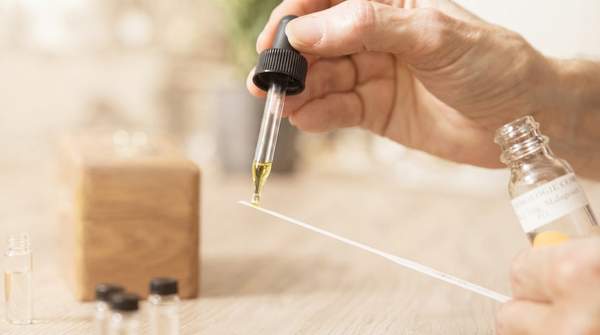
For the hands-on individual who enjoys creating their own facial oils, serums, or custom-blended foundations, high-quality glass droppers and containers are essential eco-friendly tools. Opting for glass over plastic is a choice for inertness and recyclability. Glass does not leach chemicals into the product it holds, preserving the integrity of sensitive ingredients. It is also infinitely recyclable without loss of quality, making it a superior material from a life-cycle perspective. Publications like emilie heathe have highlighted various eco-friendly tools that empower consumers to make more sustainable choices.
The key benefit of using glass is material stability and sustainability, especially when sourcing containers for DIY projects or buying products in bulk to decant. This practice significantly cuts down on packaging waste over time. The obvious drawback is fragility; glass can break if dropped, posing a safety risk and resulting in product loss. It is also heavier and less convenient for travel compared to plastic alternatives.
| Item Name | Category/Type | Primary Benefit | Best For |
|---|---|---|---|
| Reusable Makeup Remover Pads | Cleansing Tool | Daily Waste Reduction | Replacing single-use cotton rounds and wipes. |
| Bamboo Makeup Brushes | Makeup Applicator | Renewable Materials | Ethical and sustainable makeup application. |
| Stainless Steel Facial Tools | Skincare Tool | Longevity & Hygiene | Long-term investment in a durable, non-porous tool. |
| Konjac Sponges | Cleansing Tool | Biodegradability | Gentle, compostable facial cleansing. |
| Silicone Makeup Sponges | Makeup Applicator | Product Conservation | Minimizing foundation and concealer waste. |
| Refillable Deodorant Cases | Personal Care | Packaging Reduction | Eliminating single-use plastic deodorant tubes. |
| Washable Makeup Remover Cloths | Cleansing Tool | Water-Only Cleansing | Minimalists and those with sensitive skin. |
| Glass Droppers and Containers | Storage/DIY Tool | Material Stability | Creating and storing DIY beauty products. |
How We Chose This List
The items on this list were selected not as specific branded products but as categories of tools that represent key principles of sustainability in beauty. We prioritized categories based on their ability to directly replace single-use items, their construction from renewable or highly durable materials, and their potential to reduce overall consumption and waste. Consideration was given to the entire life cycle of the tool, from material sourcing to end-of-life disposal. The goal was to identify accessible swaps that empower consumers to build a more conscious and effective beauty routine without compromising on quality or performance.
The Bottom Line
For the greatest immediate impact on daily waste, reusable makeup remover pads are the clear winner in an eco-friendly beauty toolkit. For a long-term, one-time purchase emphasizing durability and hygiene, a stainless steel facial tool is a worthy investment for dedicated skincare enthusiasts.