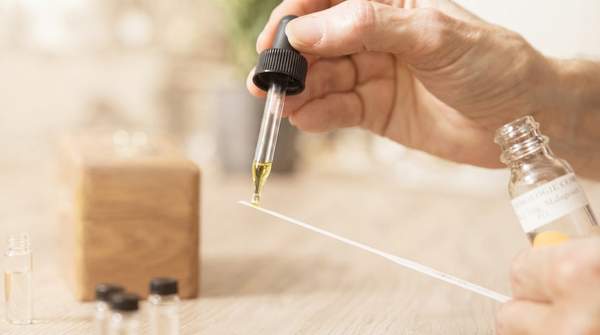
On London's Carnaby Street, Harry Styles' PleasingLand pop-up offered visitors a 'scent arcade' and a 'fully immersive music world,' signaling a new era for beauty retail. This temporary activation, launched by Styles' lifestyle brand Pleasing, aimed to draw consumers into a multi-sensory experience that transcended traditional product display, according to Cosmetics Business. The collaboration with Loop Earplugs created a unique environment, engaging visitors beyond mere transactions.
Beauty consumers demand increasingly unique and personalized experiences, but the traditional retail model is ill-equipped to deliver this level of bespoke engagement. Static shelves and conventional product demonstrations often fall short of meeting the desire for memorable, individualized interactions.
Brands will increasingly prioritize agile, tech-driven experiential retail and pop-up formats over permanent, product-focused stores to foster deeper connections and stand out in a crowded market. This strategic pivot focuses on creating limited-time, high-touch interactions that emphasize brand immersion.
Beyond the Counter: AI-Powered Personalization
Seoul's Myeongdong district now hosts LANEIGE seoul, a global flagship store focused on advanced personalization, according to Global Cosmetics News. This location integrates AI-driven skincare diagnostics and personalized beauty services directly into the retail experience. Visitors can utilize a robot-assisted Neo cushion compact system to produce a custom foundation shade from 150 available color options. Additionally, an AI-powered Cream Skin service analyzes individual skin conditions and creates one of 25 tailored formulations on-site. These flagship stores are transforming from mere points of sale into high-tech personalization hubs, offering bespoke products and services tailored to individual consumer needs, marking a significant evolution in beauty retail.
The Rise of Experiential Services and Strategic Partnerships
Glamsquad expands its experiential business through group bookings, brand partnerships, pop-ups, and community events, responding to consumer demand for convenient, social, and personalized beauty experiences, according to WWD. This platform partners with beauty brands such as Olaplex, Shark Beauty, JVN Hair, Rare Beauty, Glossier, and Bubble Skincare for co-branded activations, events, and retail collaborations. The expansion of service-oriented platforms like Glamsquad, coupled with strategic brand collaborations, demonstrates a clear response to consumer desire for convenience, social interaction, and tailored beauty solutions beyond product purchase. Beauty brands merge high-tech, data-driven personalization with multi-sensory immersion, creating holistic experiences that appeal to both rational and emotional consumer desires.
Temporary Immersion Versus Permanent Customization
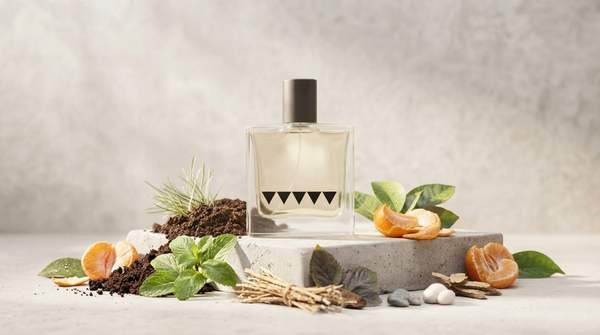
The beauty sector observes two distinct strategies for delivering personalized experiences, showcasing a tension between long-term investment and fleeting engagement. Harry Styles' Pleasing brand opted for a temporary pop-up experience in London with sensory immersion, as seen with PleasingLand. This strategy leverages scarcity and the ephemeral nature of an event to drive consumer desire. In contrast, LANEIGE has invested in a permanent global flagship store in Seoul featuring AI diagnostics and custom product creation. While both recognize the need for experiential retail, brands are split between establishing long-term, tech-driven physical hubs and leveraging short-term, high-impact, event-based activations to capture consumer attention. The deliberate temporality of highly invested, immersive experiences, like PleasingLand, suggests that scarcity and the fleeting nature of engagement are now key drivers, rather than permanent accessibility or broad distribution. The 'store' is no longer a fixed brick-and-mortar location but a fluid concept, manifesting as temporary pop-ups or mobile, on-demand services, effectively bringing the brand experience directly to the consumer's chosen environment.
Companies that fail to evolve beyond transactional sales and embrace dynamic, personalized experiential models risk becoming relics in a beauty landscape increasingly defined by unique, temporary engagements.
- Beauty brands are strategically pivoting from static product sales to ephemeral, hyper-personalized experiential engagements, transforming the retail model.
- The new frontier of beauty retail involves on-demand, hyper-customized product creation within engaging, often temporary, physical spaces, turning a purchase into a unique event.
- The complexity and cost of delivering truly immersive and personalized experiences are driving beauty brands to forge strategic partnerships.
Brand success hinges on adaptability and the capacity to create memorable, shareable events rather than simply offering products. To thrive, beauty brands must integrate advanced AI for bespoke product creation with multi-sensory, immersive environments, often through strategic partnerships, transforming every consumer interaction into a memorable, shareable event.
Key Takeaways for Beauty Retail in 2026
- Beauty brands are increasingly using temporary pop-up experiences, like Harry Styles' PleasingLand, to create multi-sensory engagement.
- AI-driven diagnostics and robot-assisted creation, as seen at LANEIGE seoul, allow for bespoke products like custom foundation shades and tailored skin formulations.
- Strategic partnerships, exemplified by Glamsquad's collaborations with brands like Olaplex and Rare Beauty, expand experiential services and reach.
- The retail model is transforming into a series of limited-time, high-touch interactions, prioritizing brand immersion over traditional inventory display.
Frequently Asked Questions About Immersive Beauty Experiences
What are the benefits of pop-up shops in beauty retail?
Pop-up shops in beauty retail offer several benefits, including generating excitement through limited-time availability and creating unique, shareable brand experiences. They allow brands to test new markets or concepts without long-term commitment and can significantly enhance brand immersion, as demonstrated by the 'scent arcade' at PleasingLand. These temporary spaces foster direct consumer engagement and gather valuable feedback.
How can beauty brands create engaging pop-up experiences?
Beauty brands can create engaging pop-up experiences by integrating multi-sensory elements, advanced personalization technologies, and interactive activities. For instance, incorporating a 'fully immersive music world' or offering on-site custom product creation, like LANEIGE's robot-assisted foundation matching, elevates the experience beyond simple transactions. Strategic partnerships with complementary brands or service providers, as Glamsquad does, can also enrich the offerings.
What makes a pop-up experience immersive?
An immersive pop-up experience engages multiple senses and provides a holistic brand interaction, moving beyond visual merchandising. This can include unique scent profiles, curated soundscapes, interactive digital tools for personalization, and opportunities for hands-on product creation or application. The goal is to transport the consumer into the brand's world, making the visit feel like a unique event rather than a shopping trip.
By 2026, companies like Glamsquad will continue to expand their service-oriented models, influencing how consumers access personalized beauty solutions. A future where agility and consumer-centric experiences redefine retail success.