Decades before 'grandma jewelry' became a viral trend, Coco Chanel famously championed mixing costume pieces with fine jewelry. This made imitation accessories a mainstream symbol of accessible chic. Her innovative approach, detailed by Christie's, democratized luxury. Aesthetic appeal now rivaled intrinsic material worth. Her influence established a precedent: personal style dictated value, not just a material's rarity.
The term 'grandma jewelry' often evokes dated, inexpensive pieces. Yet, it leads a trend driven by unique personality over traditional luxury. This tension reveals a cultural re-evaluation: subjective aesthetic value and personal meaning now challenge objective material worth as primary luxury markers. The trend's longevity suggests a lasting redefinition of luxury, where personal style and narrative increasingly outweigh intrinsic material value, empowering consumers to express individuality and connect with historical narratives through adornment.
What Defines 'Grandma Jewelry' Today?
The brooch trend for Spring 2026 exemplifies 'grandma jewelry's' current appeal. It is characterized by a desire for personality and a move away from quiet luxury, according to Grazia. This aesthetic embraces bold, ornate pieces that tell a story, a sharp contrast to recent minimalist trends. A broader consumer shift towards expressive, individualistic style is signaled by the 'grandma jewelry' embrace.
This trend encompasses various styles: chunky necklaces, intricate brooches, cameo pendants, and elaborate cocktail rings. These pieces often feature colorful stones, detailed metalwork, and unique motifs that stand out. Their appeal lies in adding a distinctive touch to an outfit, allowing the wearer to showcase personal narrative over a uniform, understated look.
The Craftsmanship Behind Vintage Charm
High-end costume jewelry is primarily defined by design and craftsmanship, not solely by precious materials, as noted by Christie's. This confirms many vintage pieces derive enduring appeal and 'high-end' status from artistic merit and construction, not just precious materials. Older pieces often show meticulous detail, using techniques less common in today's mass production.
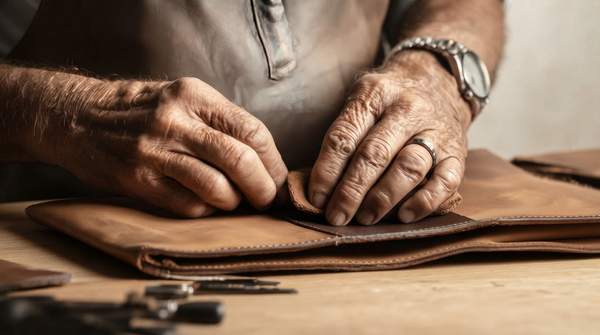
This design emphasis means materials like glass, enamel, and base metals gain significant value with exceptional artistry. Art Deco or Mid-Century pieces, for example, showcase intricate settings and unique stone cuts reflecting their era. These elements boost a piece's collectible status and desirability, irrespective of material cost.
Mastering the Art of Styling Vintage
Successfully styling 'grandma jewelry' balances its unique character with contemporary fashion. This creates a cohesive, personal look. One effective approach: pair a statement vintage piece, like a large brooch or multi-strand pearl necklace, with modern, minimalist attire. This contrast allows the accessory to become a focal point without overwhelming the outfit.
Another strategy involves layering different vintage pieces with modern items. A delicate gold chain, for instance, can pair with a chunky vintage pendant. A stack of antique bangles can complement a sleek watch. Experiment with proportions and textures to find an authentic combination. The goal: integrate these pieces seamlessly, making them feel current and intentional.
Beyond Bling: A Cultural Re-evaluation of Value
The popularity of 'grandma jewelry' signifies a cultural movement away from conspicuous consumption. It moves towards more meaningful, sustainable, and personally resonant adornment. Companies clinging to traditional luxury definitions based solely on precious materials risk alienating a growing consumer base. As Grazia highlights, this base prioritizes unique personality and design over overt displays of wealth. A deeper consumer desire for authenticity and individuality is signaled.
Coco Chanel's enduring legacy suggests the 'grandma jewelry' trend is not a fleeting fad. A deeper, cyclical re-evaluation of luxury, where personal style and narrative trump material opulence, is represented. This trend aligns with increased sustainability awareness; repurposing existing pieces reduces demand for new production. Consumers increasingly value stories embedded in vintage items, favoring pieces with a past over brand-new, mass-produced luxury.
Your Questions About Vintage Accessories Answered
Where to buy vintage accessories?
Authentic vintage accessories can be found through various channels, including specialized antique stores, reputable online marketplaces like Etsy or 1stDibs, and estate sales. Flea markets and local consignment shops also often yield unique finds, though verifying authenticity may require closer inspection.
How to wear chunky necklaces?
Chunky necklaces can be effectively integrated into modern outfits by pairing them with simple necklines, such as a crew neck sweater or a plain T-shirt, to avoid visual clutter. Wearing them over a solid-colored top allows the necklace to stand out as a statement piece. Consider the necklace's length; a shorter, collar-style chunky necklace can draw attention to the face, while a longer one can elongate the torso.
What materials are common in vintage accessories?
Vintage accessories often feature a wide array of materials beyond precious metals and gemstones. Common materials include various types of glass (such as Czechoslovakian glass or Murano glass), Bakelite, celluloid, rhinestones, enamel, and different alloys like pot metal or brass. These materials were frequently used to create intricate designs and vibrant colors, contributing to the distinct character of older pieces.
The Enduring Allure of Personal History
The 'grandma jewelry' trend offers more than adornment; it provides a tangible connection to history and a powerful means of individual expression. This redefinition of luxury, prioritizing design and personal narrative over material cost, marks a lasting shift in consumer values. By 2026, this emphasis on unique, story-rich accessories will likely solidify its place in mainstream fashion, challenging traditional luxury brands to adapt to a more discerning, personality-driven market.